
Mountain Leader Training with Adventure Expertise
I’m in the Stickle Gill car park in Great Langdale, nervously waiting to see how the next 6 days will unfold. I’ve arrived slightly too early but it’s a good job because I can’t get the parking ticket machine to work and the stupid parking app on my phone won’t let me connect my bank card. Looking around the car park I think I can see who I’m supposed to be meeting; I watch a couple of other folks dressed in suitably outdoorsy gear approach and shake hands. This must be the guy. I simultaneously hate and love doing things like this; I’m a natural introvert but over the years I’ve got better at overcoming my initial fears and I march over as confidently as I can to introduce myself.
For a while now Mountain Leader Training has been on my list of things to do. Way back when Benji was a baby, me and Emma went on a hill skills course at Plas Y Brenin in Wales to get up to speed with navigation and mountain safety but we also thought it might be a good jumping off point for working towards our Mountain Leader qualifications. At that time teaching was a much bigger part of our work and we had ambitions of taking our Nature connection workshops and teachings out of the woods and into the mountains.
For those who don’t know, the Mountain Leader award is the industry standard qualification for those wanting to lead groups in the mountains here in the UK. Before you can begin your training, you have to have been out on at least 20 mountain days and wild camped a few times. A consolidation period follows and at least 40 mountain days are required before you can do the assessment. It’s difficult to accumulate enough days in the high fells when you live in the gently rolling hills of Southern England and so the idea was shelved until we found a way to move closer to the mountains.
It took five years before we finally found a way to make the move, but here we are and with 4 years of being in and around the mountains regularly it was time to rekindle the idea of leading groups into high places.
I’m pretty confident in the mountains, but leading up to the course doubt lingered in my mind. What if I was the least experienced out of the group? The slowest? I had also heard horror stories of macho ex-military ML trainers turning the course into a week long suffer-fest. And of fellow trainees with fragile egos only out to prove themselves. I don’t mind a challenge, but I didn’t want to suffer; I wanted to learn. Having taught a lot of courses myself, I’m well aware that group dynamic can make or break a course. Who would I be spending the next 6 days with?
All worries fade as introductions are made, revealing a broad mix of ages, backgrounds and reasons for being here. All kind, gentle souls with a passion for the hills and the outdoor way of life. Our instructor, Bryan, puts us all at ease with a reminder that we are here for training and not assessment, to learn and to share knowledge as a group.
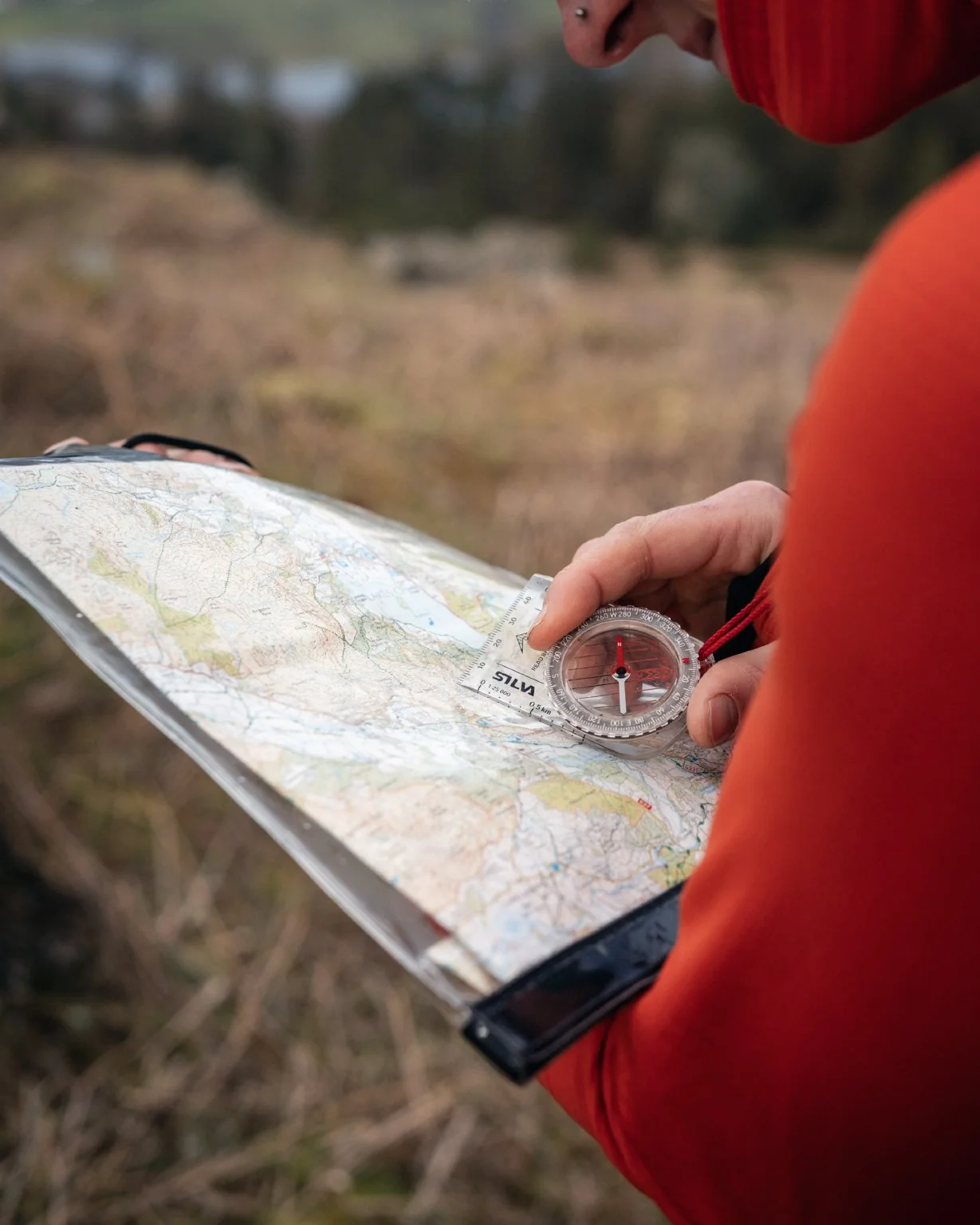
The first day is cold, blustery, clouds heavy with showers of hail and flurries of snow. Mid level slopes, provide shelter from the worst of the wind as we practice navigating using only contour lines on the map to orient ourselves. I’m already pretty comfortable with most map and compass skills, but the level of accuracy expected is a step up in skill level as we navigate towards micro features on the map: spurs; reentrants; isolated boulders and tiny ring contours barely visible without the use of a magnifying glass.
At lunch Bryan asks the group what we know about the lichens that adorn the surrounding boulders. For me studying the flora and fauna, noticing connections and interactions are central to the hiking experience but I’m only too aware that this is not the case for many people who use the mountains for recreation. I hold my tongue for as long as possible, waiting for someone else to answer. No answer comes so I share the story of symbiosis that brings lichens into being, a partnership between fungus and algae or other photobiont; an exchange between light eater and home maker. I’m very much a beginner when it comes to lichen identification, but I point out three species near to hand that I recognise and soon I have inadvertently cemented my position as the naturalist of the group. Sharing stories of connection, opening eyes to the small wonders of the world brings me a lot of joy so I’m only too happy to be asked questions throughout the week, pointing out plants and creatures as we journey, telling the tale of why the landscape looks the way it does today. Luckily everyone in the group is keen to soak up knowledge and share their own insights gleaned from the mountains. Among us we have a physics teacher, an environmental sciences student and a linguist who each bring new ways of looking at the land, adding new layers of interest to the mountain experience. Our instructor is keen for us to share our knowledge along with his own, whilst carefully steering us back on course when needed.
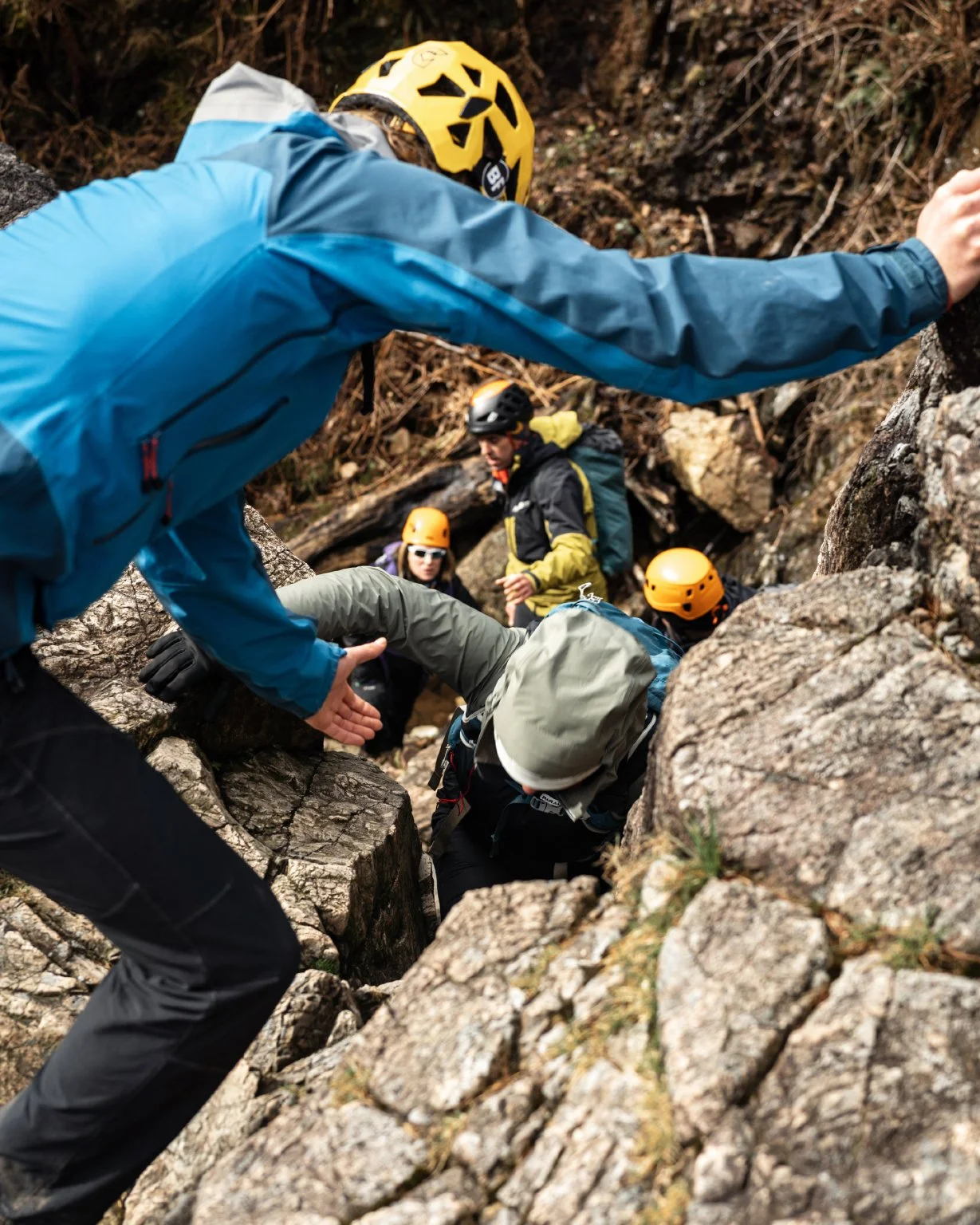
Over the next 6 days we cover all aspects of travelling in the mountains, from weather to movement on steep ground, rope work and rescue procedures, map and compass skills on maps of different scales, river crossings and route planning before culminating in an overnight expedition and the part I was least experienced in: night navigation.
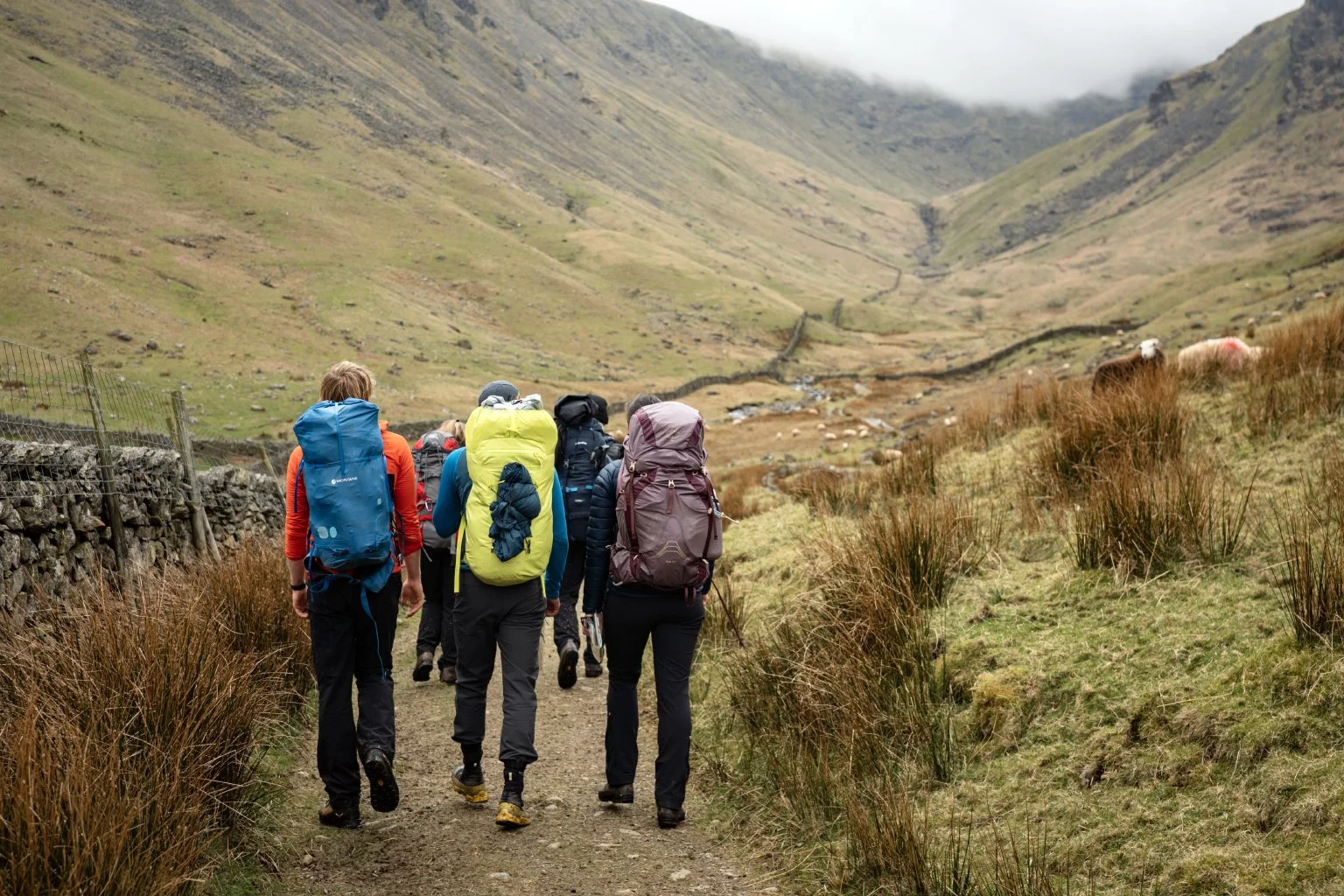
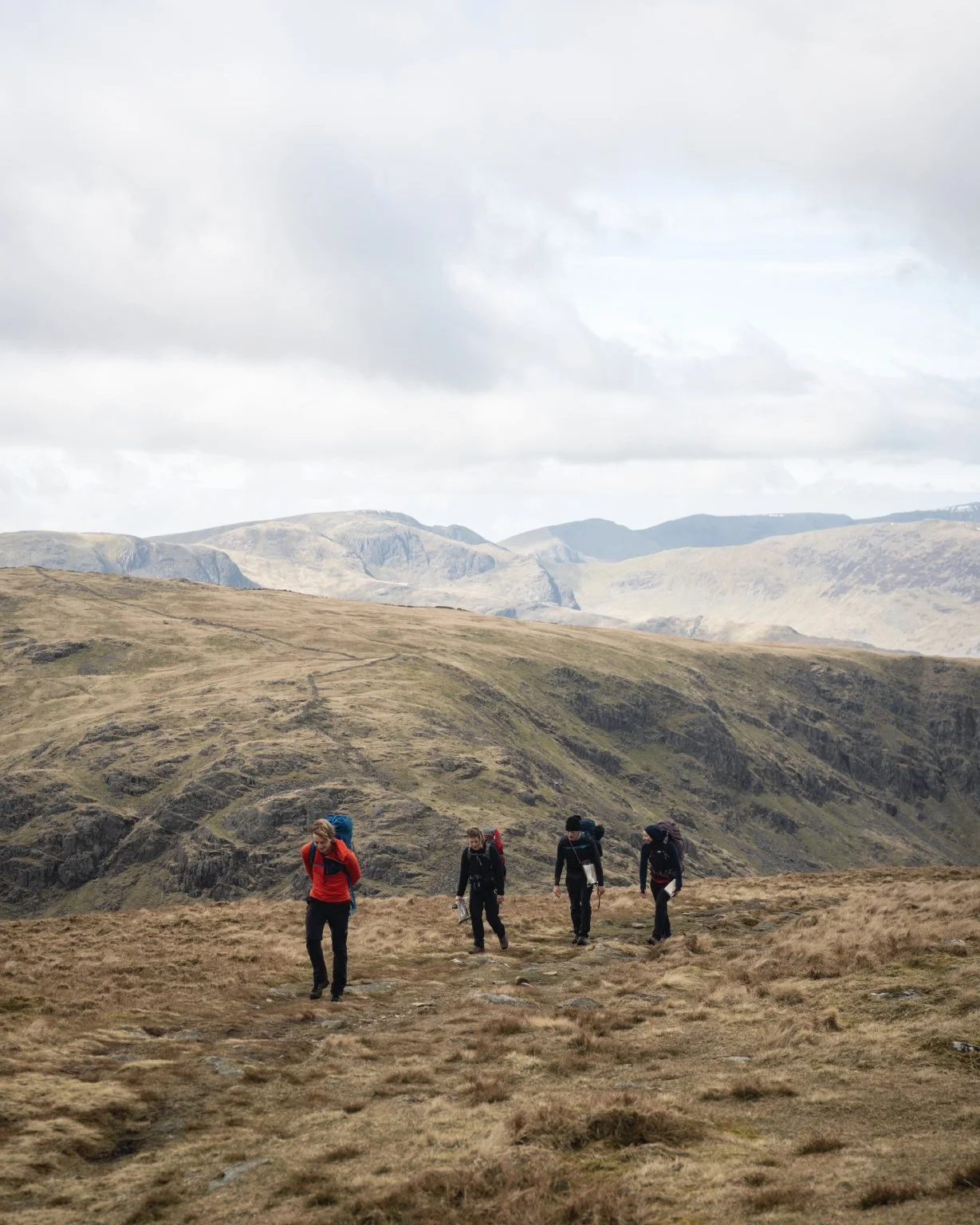
The day of the expedition dawns calm and overcast and we check out each other’s kit in the car park, trading secrets and packing systems. A storm is due later that evening, a brief but potentially violent few hours as a warm front passes over and a cold front follows. The aim is to hike for 10 kms, each of us taking it in turns to lead a leg of the journey, set up camp in a sheltered spot before the storm arrives, hunker down in our tents for dinner and a nap and head out on our night nav mission once the worst of the weather has passed and darkness has fallen.
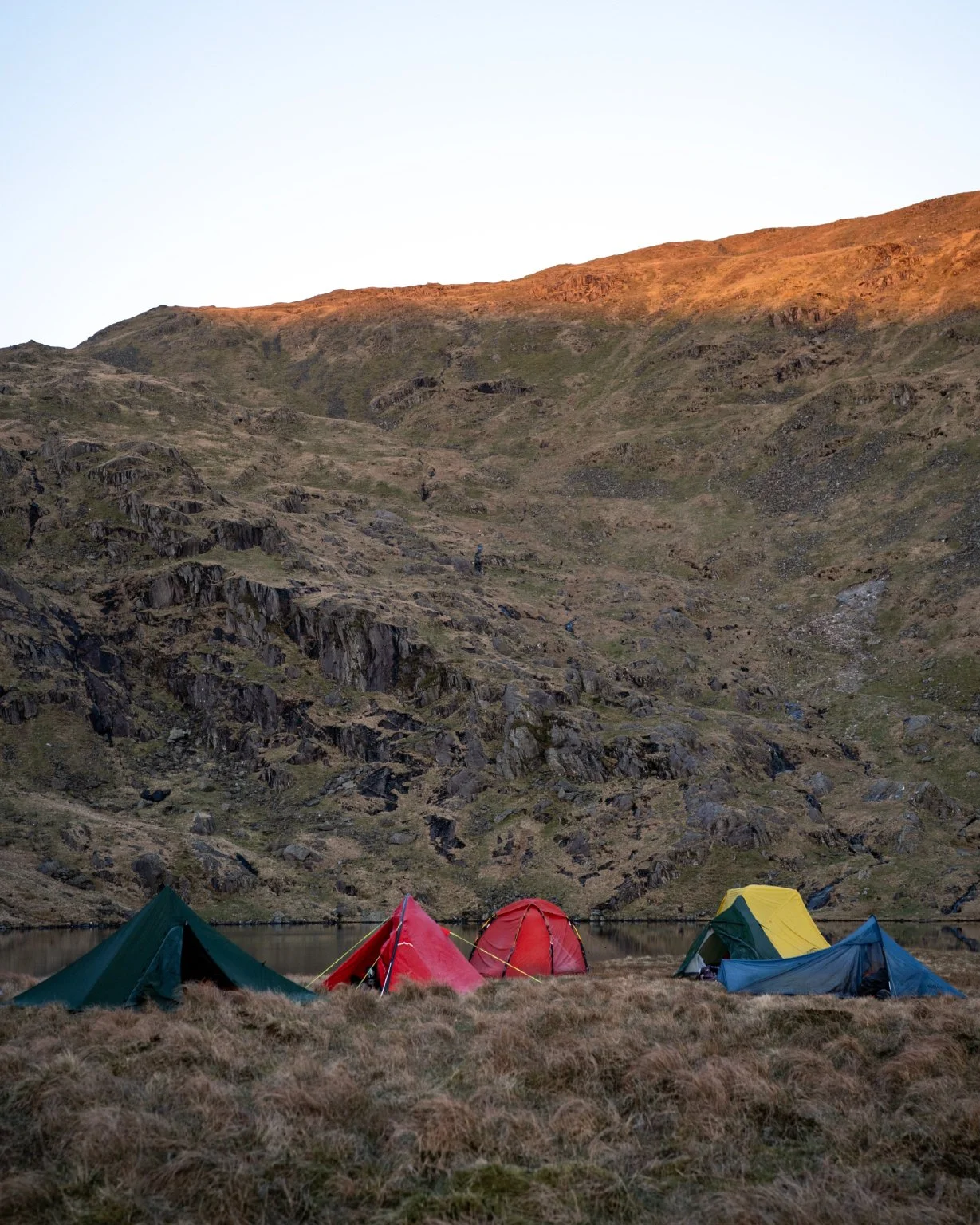
It works like a charm, as we descend into the valley and help each other get tents set up quickly just at the first drops of rain begin to fall and fly sheets rustle in the increasing breeze. It’s been a long week; it feels luxurious to be cocooned in my warm sleeping bag listening to the wind and rain rage outside. I doze in and out of sleep, a weird dreamlike state with visions of contour lines coming and going behind my closed eyelids. The alarm beeps at 8pm and I stir reluctantly. The wind and rain have passed. I fumble for my head torch, unzipping my sleeping bag and shuddering as the cold air floods in. I could have happily stayed asleep until morning, but our night navigation mission beckons so I force myself out into the cold clear night, trying my best to shake off sleepiness.
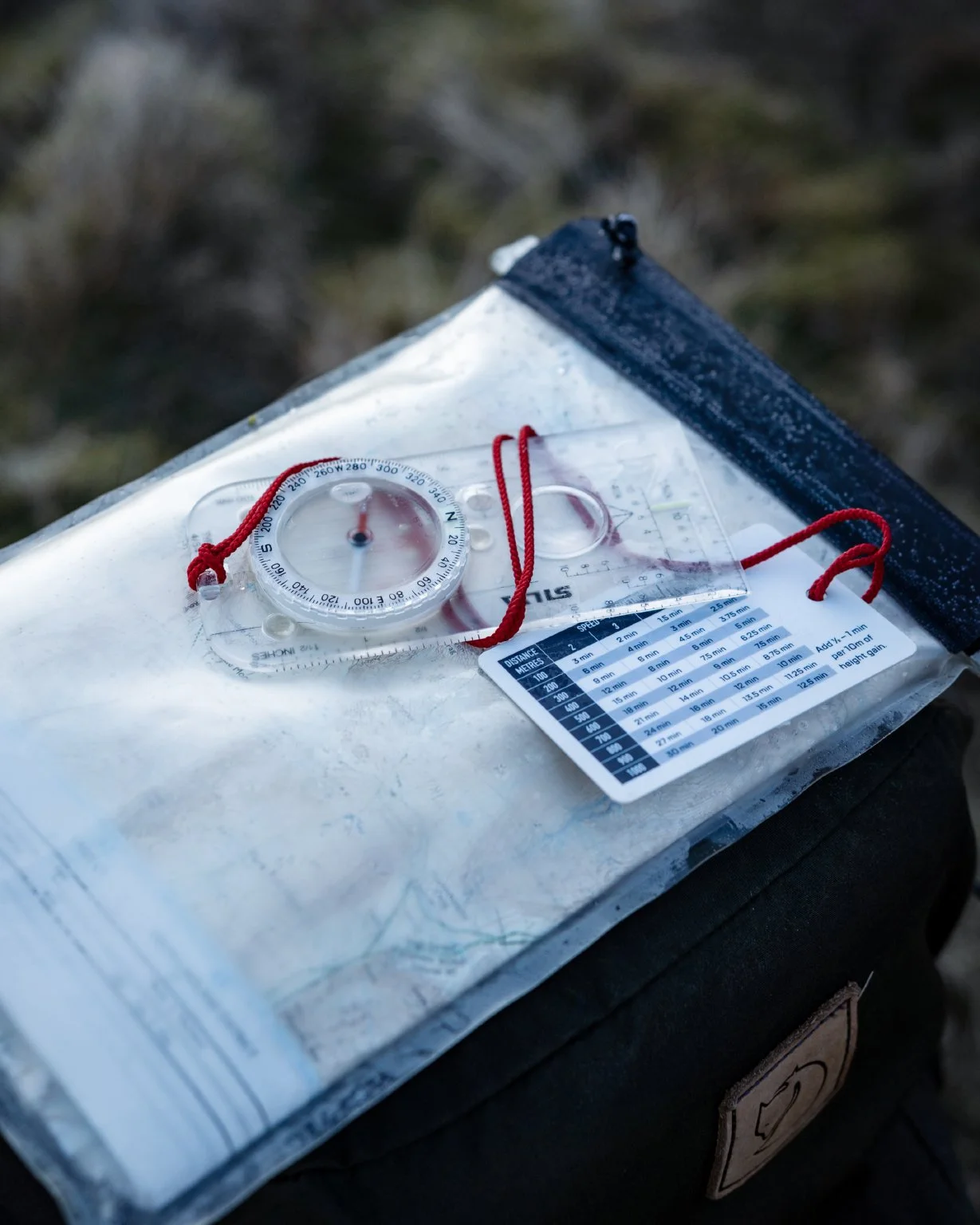
We head off into the darkness, head torches piercing the thick blackness of the night and get straight to work as a group, navigating to land features using contours, compass bearings and pacing to find our way and measure distance. The techniques are the same as those used in the day, but it is harder to match the map to reality when the land lays cloaked in darkness - here the ability to make a mental image of the mountains from the map becomes essential along with trust in your timing and compass technique. It was fun to be out in the dark, putting into practice the skills accumulated during the week which suddenly seemed to click into place without the luxury of big picture landmarks to guide us, but I don’t mind admitting it was hard and after three hours of walking in the dark it was a great relief to be nestled in my sleeping bag again.
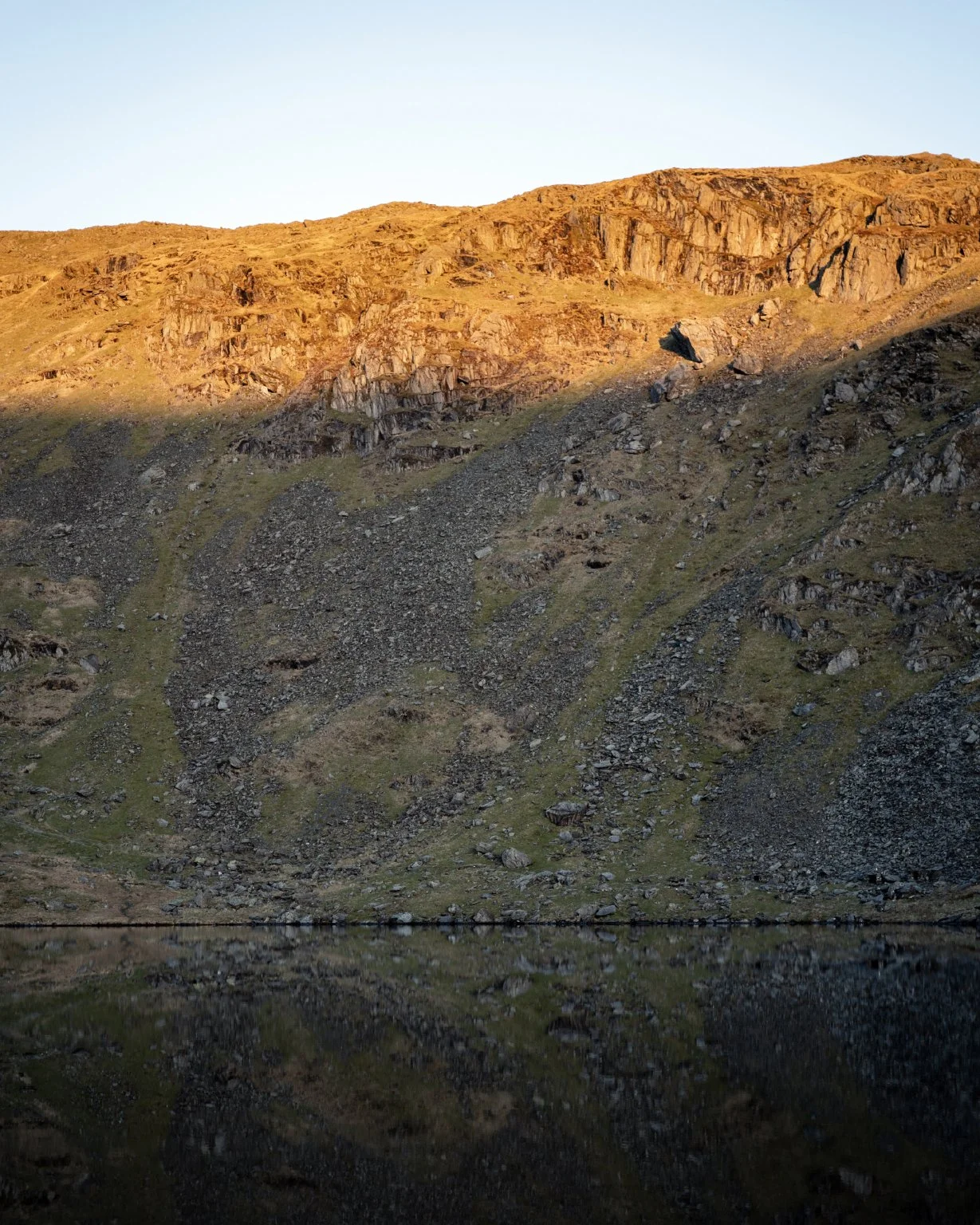
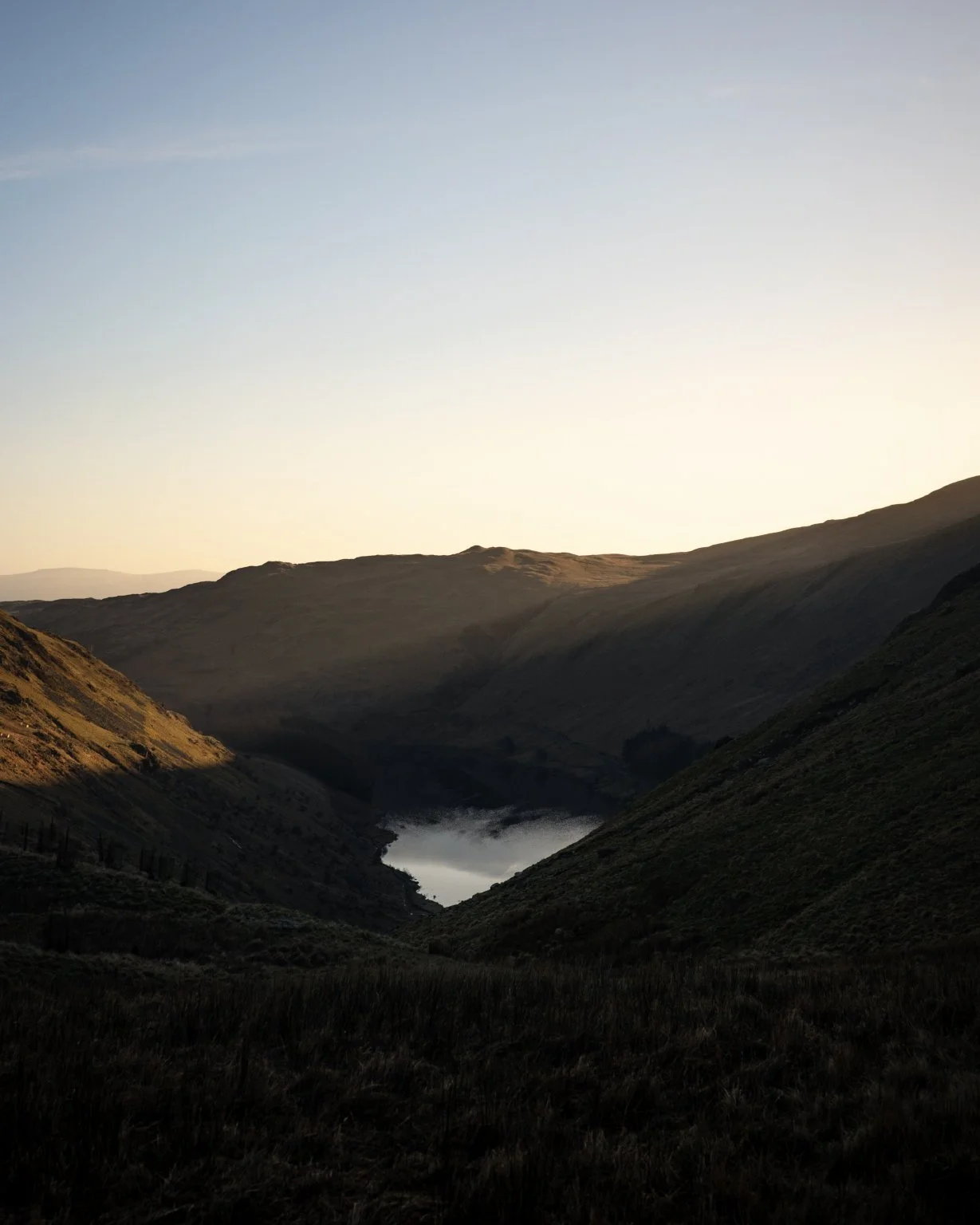
At 6am my alarm goes off again and I scramble around in my tent for a warm layer. The temperature dropped rapidly overnight, with frost forming on the inside of the tent. The tent zip is frozen solid but I manage to open the flap eventually to find a beautifully clear morning, bathed in blue hour light. I make coffee in the tent vestibule from the comfort of my sleeping bag before getting out to watch shafts of golden light flood over the hills into the cold blue valley below.
Soon we are all packed and ready to go. The mood is light as we hike out of the shade where frost still lingers and out into the sun, passing from winter to summer in a single step; it is a treat to feel warmth on our backs after a week of decidedly mixed weather. Several relatively easy navigation legs follow, as we climb and scramble up a steep ridge before reaching the plateau and making our way back down to where we started the day before.
Each of us gets a one-to-one appraisal from the instructor with advice for progressing towards assessment. I’m pleasantly surprised with the feedback I get which puts me closer to assessment readiness than I expected. I realise now, that one of the greatest gifts of this week has been discovering that I’m better in the mountains than I thought I was. The temptation for self doubt is ever present and I still feel like a novice at most things I do, yet here, with the help of a good instructor and support from the group, I’m forced to reckon with the fact that after 4 years of spending almost every weekend in the mountains of the Lake District, and with well over a decade of adventuring in wild places prior to that, I have indeed accumulated some skills and wisdom worth sharing.
Another gift of the week has been the company; our small fellowship of aspiring Mountain Leaders. As noted above, group dynamic can make or break an experience like this and I’m thankful for having had such a warm, supportive and enthusiastic group to spend a week in the mountains with. With hugs and handshakes and promises to keep in touch, we part ways, somewhat reluctant to return to reality. Whether or not we’ll meet again, I wish all of them well on their journey and look forward to continuing on mine…
With massive thanks to Bryan and Jake from Adventure Expertise for running a great course - if you’re looking to do your ML training or assessment I’d happily recommend them.