
Nature Connection - Noticing vs Knowledge
I feel lucky to have been on quite the journey when it comes to my relationship with Nature. I’m happy with where I’ve ended up, although I suspect that this is not really the end. But it has been far from plain sailing. Full of questions. Uncertainty. Moments of realisation, epiphanies even, followed by self doubt and confusion. A big part of the journey has been figuring out how to talk about my relationship with Nature and how to share my story with others in the hope that I can inspire change. For I believe, with complete certainty, that the one of the best things we can do for ourselves is rekindle our sense of awe and wonder at the world around us. This is no easy task; we are all figuring out our own paths and I don’t necessarily believe that my way is the right way. But I do sometimes think when I see other people talking about Nature connection (or whatever words you want to use) that they are missing something, or that many of the steps they advocate are unnecessary, exploitative even.
One thing in particular that I have constantly grappled with when thinking about my own reconnection with Nature has been the role of knowledge. My relationship with learning has always been fraught with difficulty; I am unashamedly creative and practical as opposed to academic. But when it came to learning about Nature, not only did I have to study especially hard to remember the names of living things and all their parts on my quest for knowing what things were, I also felt that this kind of knowledge lacked something. In fact not only did it lack something, it felt as if I was being drawn away from discovering a different kind of knowledge. Wisdom even. As I studied, I became bogged down with scientific binomials and remembering latin names to describe parts of flowers. As I delved deeper into in ecology I saw a world of wonder reduced to data; a quest to record, track and log. What once delivered simple joy now gave me a headache.
All the while I was living in the woods, working on the land in exchange for cheap rent. As I worked I watched. Interactions, connections and countless tiny stories unfolded around me as I went about my day. Working throughout the seasons and over the years, I saw how the land changed and noticed the comings and goings, the living and the dying of wild things. I don’t think I really knew it at the time, but I was accumulating knowledge that went beyond that which can gleaned from books or the internet.
It’s bluebell season here in the woods as I write; the woodland floor that seemed so barren just a few weeks ago is carpeted in a riot of purple and green. If I look up bluebells in my trusty wildflower key by Frances Rose it will tell me the scientific binomial is Hyacinthoides non-scripta and that the inflorescence is a one-sided raceme of drooping bell-shaped fls, each with 2 blue bracts at the base. It will also tell me where I can find it and also that it is an AWI or ancient woodland indicator species.
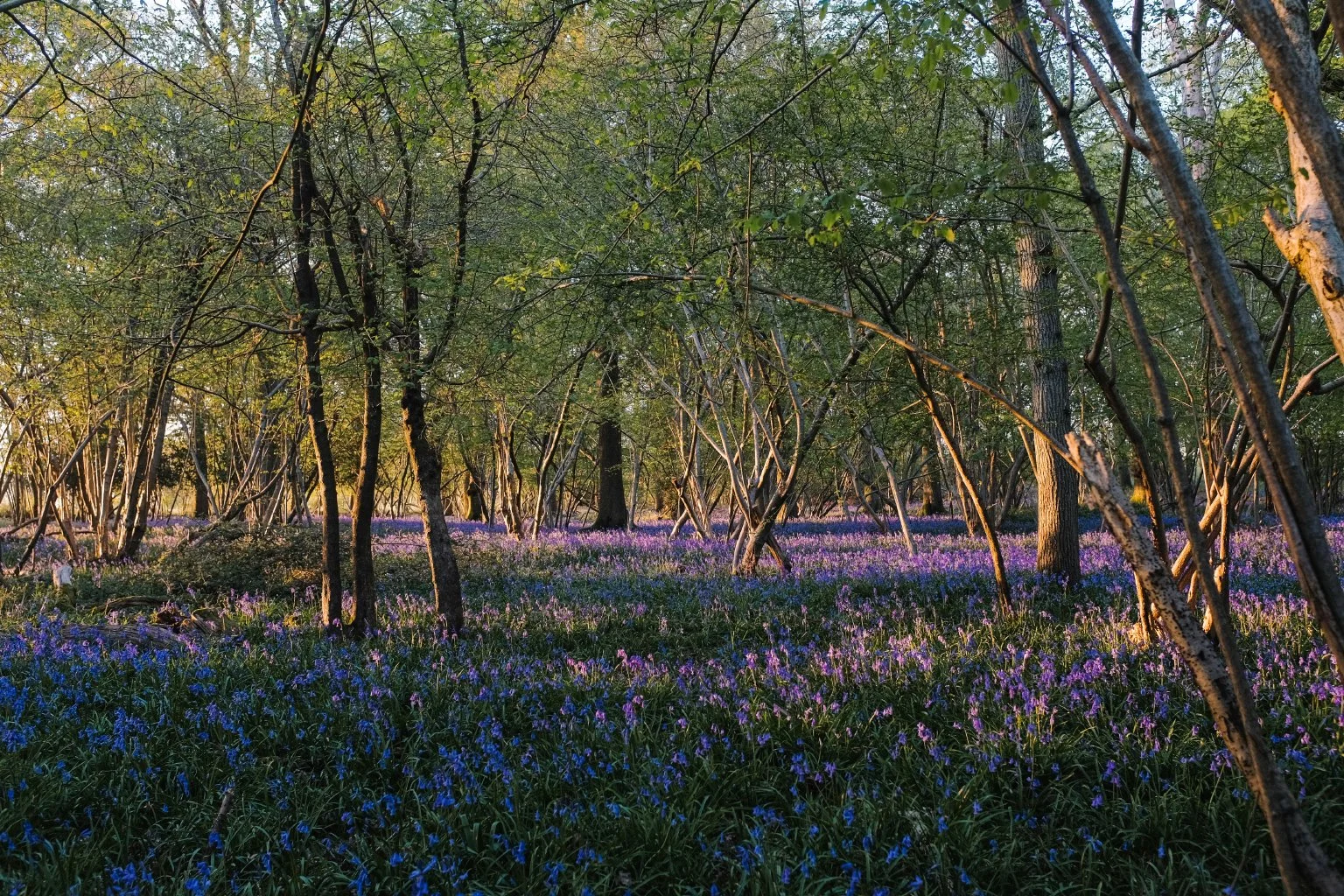
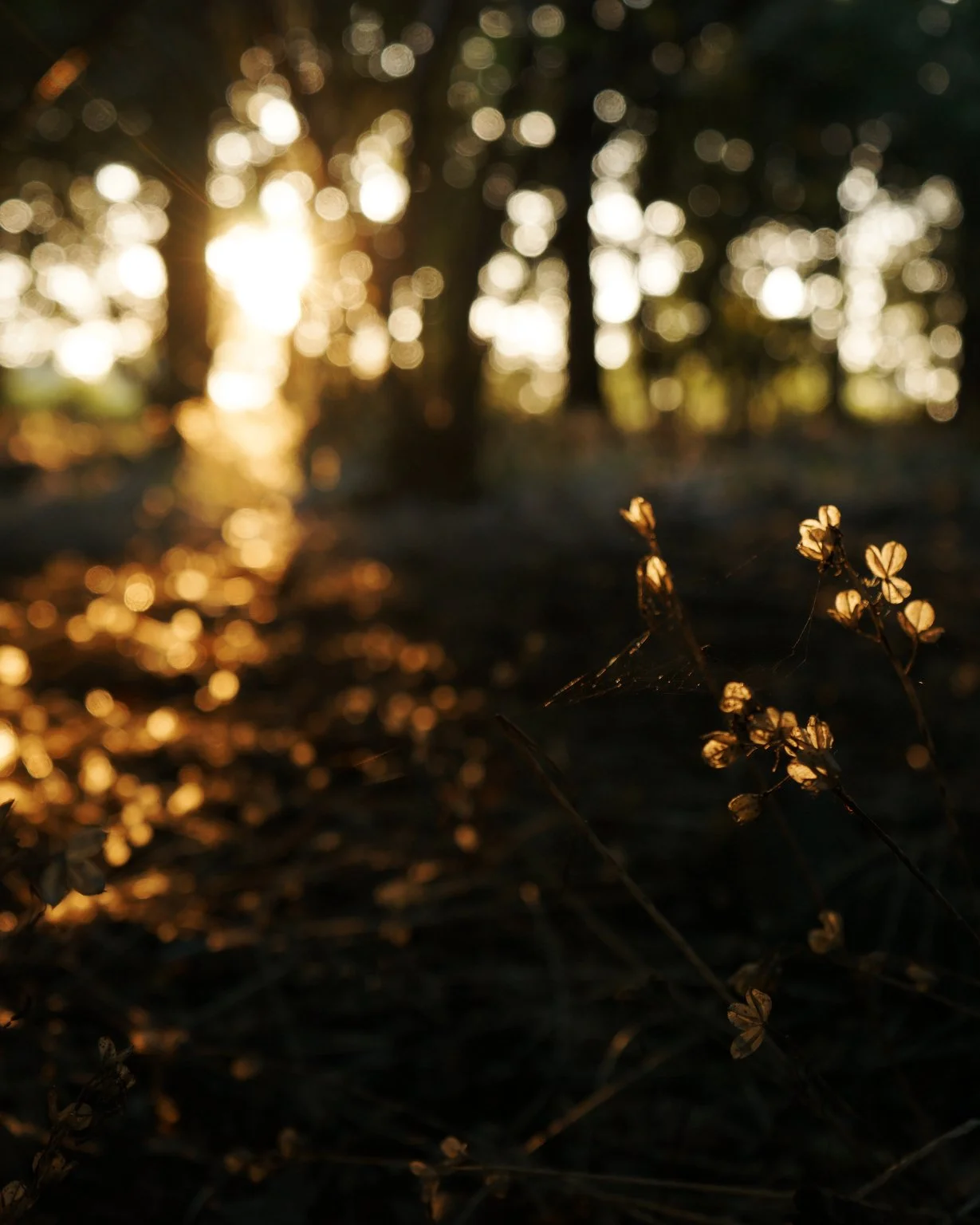
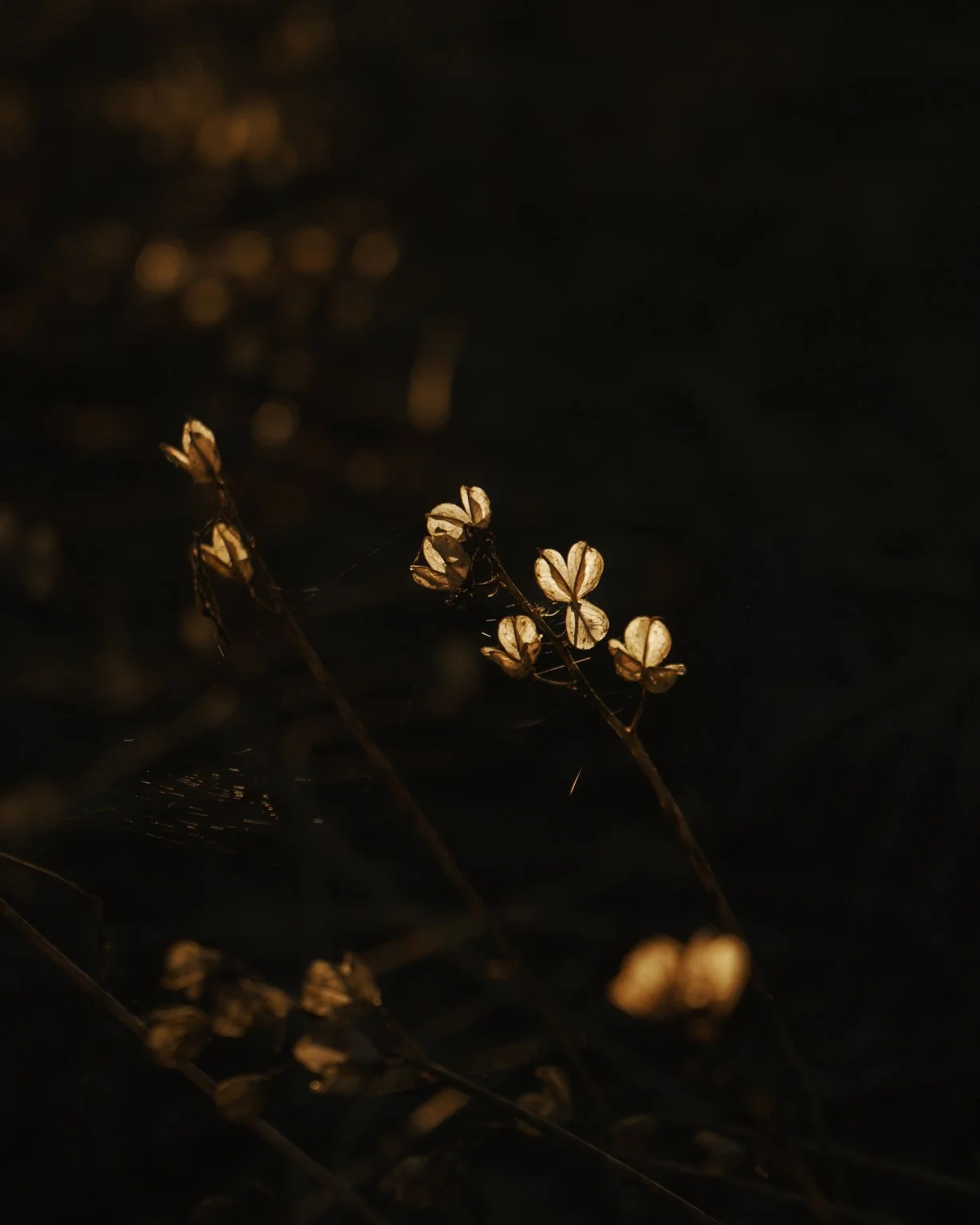
All good stuff, but it will not tell me of the heady aroma of a bluebell wood on a warm spring day when the air feels thick with scent, or of how when drenched in golden shafts of evening sunlight bluebells will glow as a single luminous purple mass, or how once flowering is over their long spear-like leaves languish, drooping to become yellow, slimy and slippery underfoot, or how in summer the remaining dried stems hold delicate seed capsules aloft that glow when backlit by the sun like tiny paper lanterns, each one containing shiny black seeds that rattle as you brush past them, filling your shoes as you inadvertently become a seed dispersal vector, nor of the glimmer of hope as early as January (sometimes December even) that the discovery of new bluebell shoots lurking under the leaf litter can bring as they herald lighter days approaching.
This is getting to know something, by noticing changes, spending time in its company, learning about its life in the same way you would with a new friend. This is creating a feeling of connection. This kind of knowing is different from academic knowledge, going deeper, and is, I would argue more enriching and fulfilling.
For some time I rallied against the need to learn facts about the natural world as a means of connecting to it. I believed that our apparent need to classify and analyse clouded our perception of simple beauty and interfered with our sense of wonder, which I do still think is true; it is only when we stop trying to attempting to classify, group, explain, interrogate and divide things into categories based on their functions and uses that we start to feel and to see Nature as a whole. To analyse is to place constraints on the wildness Nature, to feel is to embrace its wildness and our own animal instincts.
Perhaps we need to ask ourselves, what are the desired outcomes of a developing deeper connection to Nature? Undoubtably, one aspect should be on a personal level; for me nothing else has brought a greater sense of peace and well-being. A greater connection with the natural world completely restructured my value system; I consider myself rich although my bank account would suggest otherwise. Looking deep into Nature teaches that there is more than one way of viewing the world; it teaches humility, compassion and rewards with wonder and joy. In a time fraught with dissatisfaction and frustration, I am in no doubt that reconnecting with Nature has the potential to enrich and give meaning to the lives of many who have lost their way. To restore a love for all that is alive.
But one other outcome could (should?) be that we become better stewards for the natural world. There is no doubt that a deeper emotional connection to Nature has the potential to deliver in this regard, but when it comes to stewardship there is a need for greater ecological literacy so we know what needs protecting and how to spot harm inflicted upon the land. You may be enamoured by the vivid purple pink flowers of Rhododendron in your local woodland, but unaware of the net loss of biodiversity as it creeps onwards, smothering everything in its path for example. It is hard to care for something you have no connection to, but equally it’s hard to enact care if you are unaware of the need. There is a tough balance to strike here; if there’s one major downside to becoming deeply intertwined with Nature, it’s the increased sensitivity to the harms inflicted upon that which brings you wonder and joy. Once you learn to read a landscape and unpick its ecological condition, the scale of Nature’s plight can be overwhelming, sorrow haunts the land, stories of exploitation and violence abound for the attuned. BUT, the joys outweigh the sorrow, and armed with the knowledge of what needs protecting you can do something about it. Quit your job, change your consumption patterns, get involved, work in conservation, spread the word and revel in Nature’s abundance when you find it.
Book knowledge has other benefits too, and if approached with the right attitude, the potential to increase wonder at Nature’s complexity and dynamism. Going back to bluebells again, it was book knowledge that taught me how ants are the main spreader of bluebells, their seeds having a small edible appendage (we have of course given it a fancy name: elaisome) that lures the ants into taking the seeds back to their burrows. The ants eat the appendage but leave the rest of the seed where it can germinate in a wonderful act of mutualism or trickery depending on your viewpoint. There are countless other examples where a little academic knowledge has added to my sense of wonder and fascination at the rest of the living world, in particular the mysterious ways of fungi, lichens and other things which are hard to observe in real time and of the evolutionary connections between all living things that root us to where we came from. One of the biggest gifts studying natural history with a view to identifying species has given me is ability to notice detail; to study the stamens in a flower or to observe the minute hairs on the margin of a leaf and to make connections between similar species based on form. This I must stress is best learned by leafing through physical books, and not the use of ID apps which strip away the need to notice detail and observe patterns. Alongside being able to give a name to a plant or creature, I have been awed at the many small wonders of the world by learning to look closer.
All of this to say that when weighing up knowledge vs connection and when considering the best path to send people down on their journeys towards Nature entanglement I’ve arrived at the conclusion that lies (as is often the case) somewhere in the middle. Emotional connection to provide delight, wonderment, deep wisdom and simple joy combined with knowledge to instil curiosity and enable good stewardship. It is a balancing act, sometimes tipping one way and back the other, but if we choose to navigate through life with eyes open to Nature’s unknowable, unquantifiable wonders and with a mind towards curiosity, the path ahead promises fulfilment and delight.
Further reading:
I am not the first person to come to this conclusion, and found solace knowing that I wasn’t alone when I came across several works that echoed my rudimentary ponderings (and no doubt explained them more eloquently than I). I’ll share a few of my favourites here in case you wish to delve deeper.
The One Straw Revolution by Masanobu Fukuoka
This little book contains many gems of wisdom and I recommend reading it for lots of reasons, but his thoughts on the limitations of a view of Nature based on knowledge alone resonated particularly when I read it for the first time. He advocates a “No mind” approach in which one must first forget everything they think they know about Nature, rejecting the analytical mind completely in order to connect with Nature in the same way as other species which is something I wholeheartedly recommend trying every once in a while.
Braiding Sweetgrass by Robin Wall Kimmerer
My guess is that many of you will have read this already so I probably don’t need to go into detail, but Kimmerer’s account as she straddles the paths of indigenous wisdom and botanical knowledge together make for a compelling read.
The Journal 1837- 1861 by Henry David Thoreau
Thoreau’s Walden and its reflections on Nature and society had a big impact on me; having just moved to the woods myself, Thoreau’s writing fleshed out ideas that were beginning to take root in my own consciousness. His journal contains many of the ideas that went into Walden but also some wonderful Nature writing and details of his encounters with the natural world, walking the fine line between naturalist and transcendentalist very well.
The Mountains of California by John Muir
Say what you will about John Muir, but it’s hard to find anybody else who writes about Nature with such boundless enthusiasm. This is one of his best, describing the habitats and species encountered on adventures in the mountains of California through the lens of skilled naturalist, yet one enraptured by Nature’s wonders. My favourite chapter is “The Water-Ouzel” in which he describes the behaviour and habits of this semi aquatic bird in incredible detail matched with unbridled joy and affection.