
Finding Delight in the Details
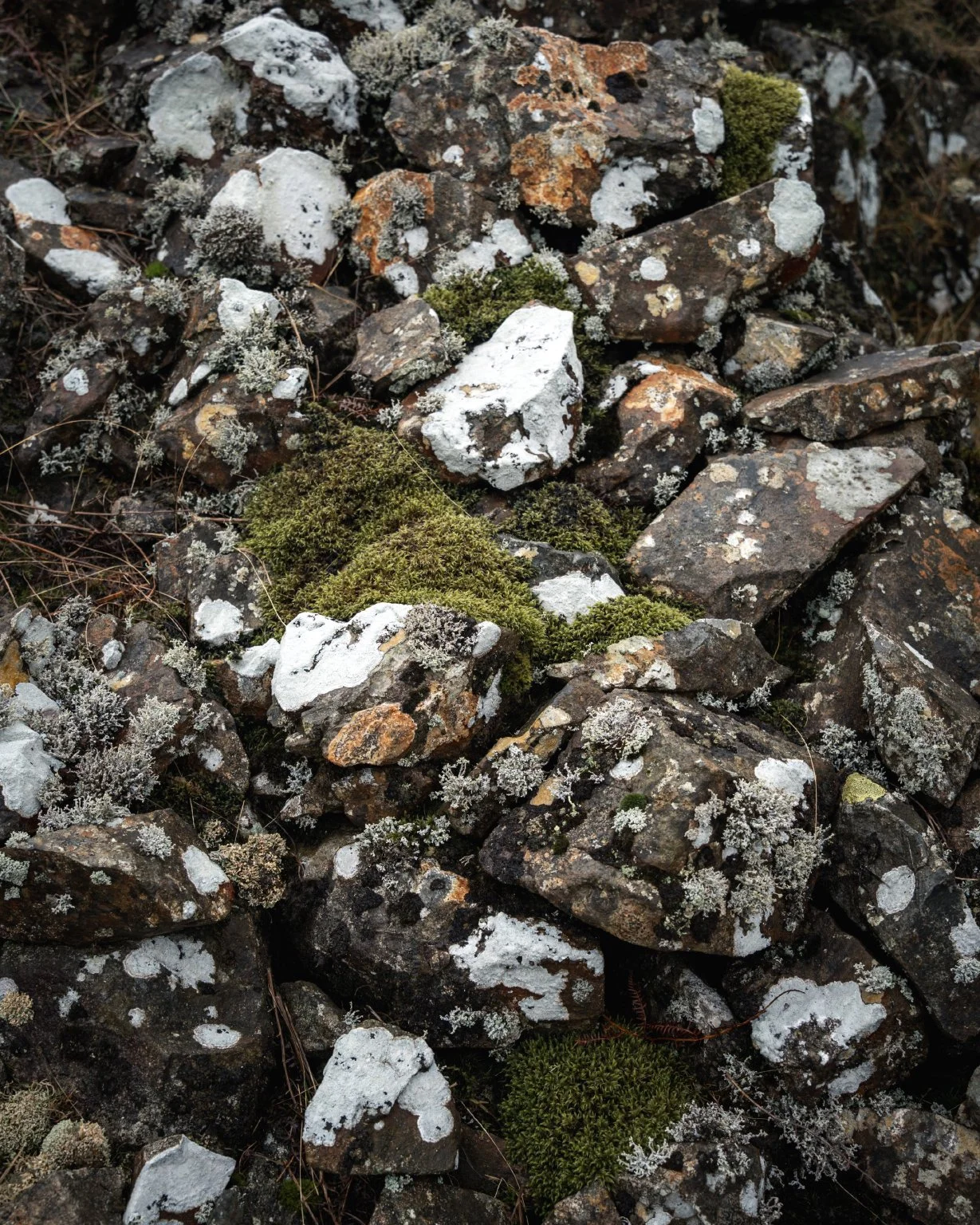
It’s a dreary day, damp and depressingly mild for the time of year but at least the storm has passed. We all need to get some fresh air in our lungs and shake the rust from our bodies after a day indoors. It takes a while sometimes to settle in; we’re walking too fast, as if we have some place we need to be by a certain time. It’s difficult at first to slow down; to make that deliberate effort to slacken our pace, but as soon as it happens…everything clicks into place. The slower we walk the more we see. A sudden shift in awareness and attention occurs and soon the dullness of the day unravels, rewoven into a new world of awe and wonder. Fascination lurks in every tree, every rock, every nook and cranny.
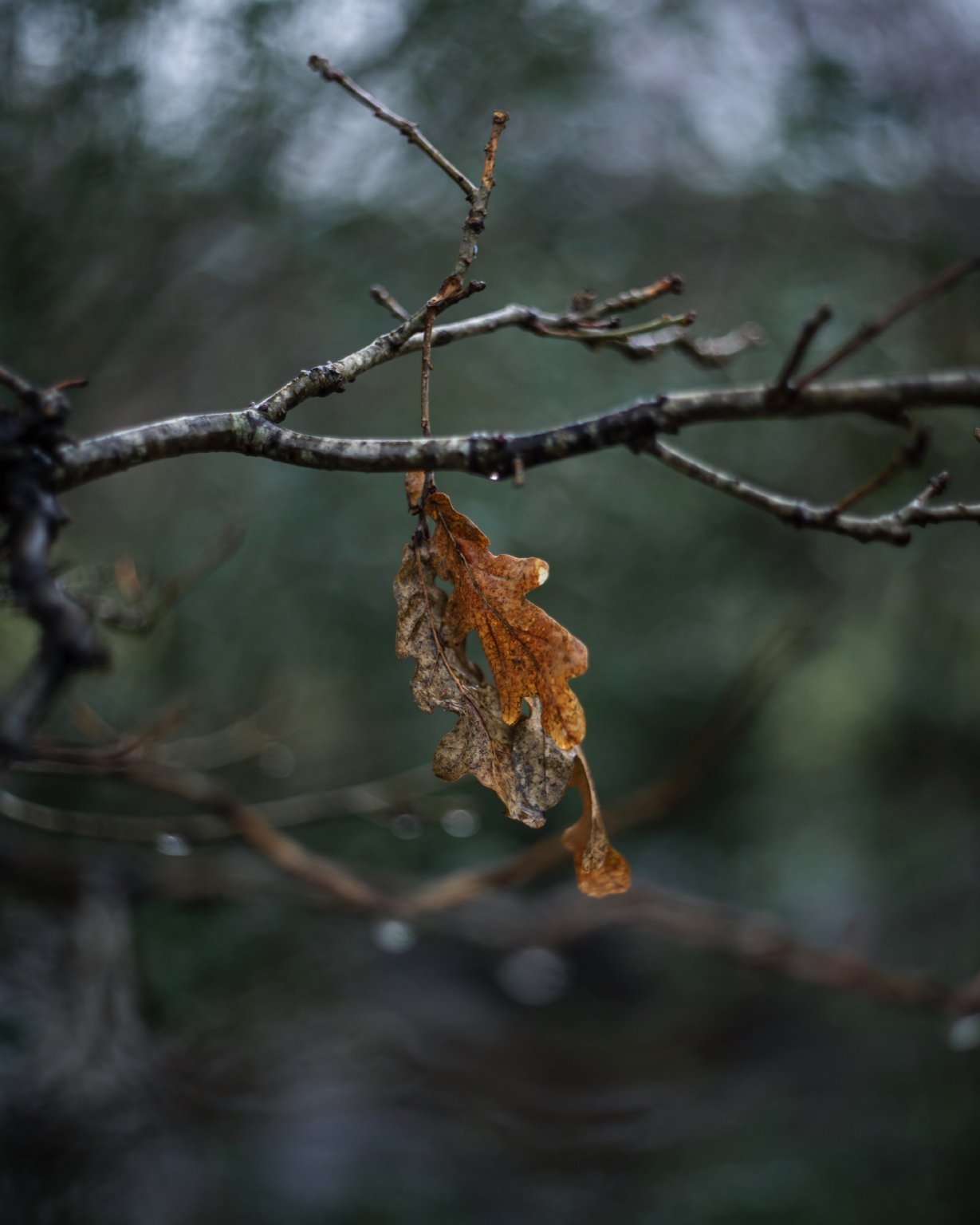
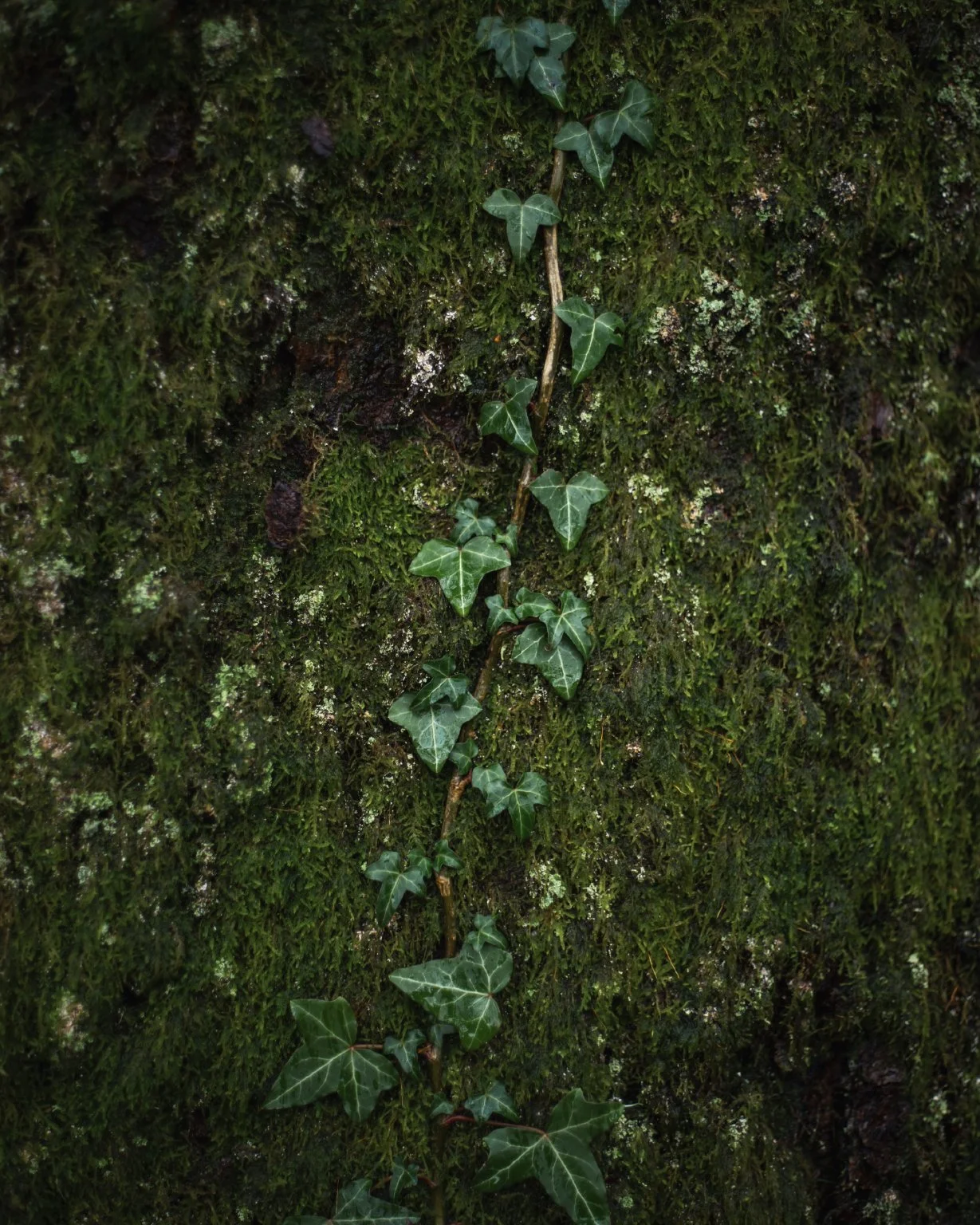
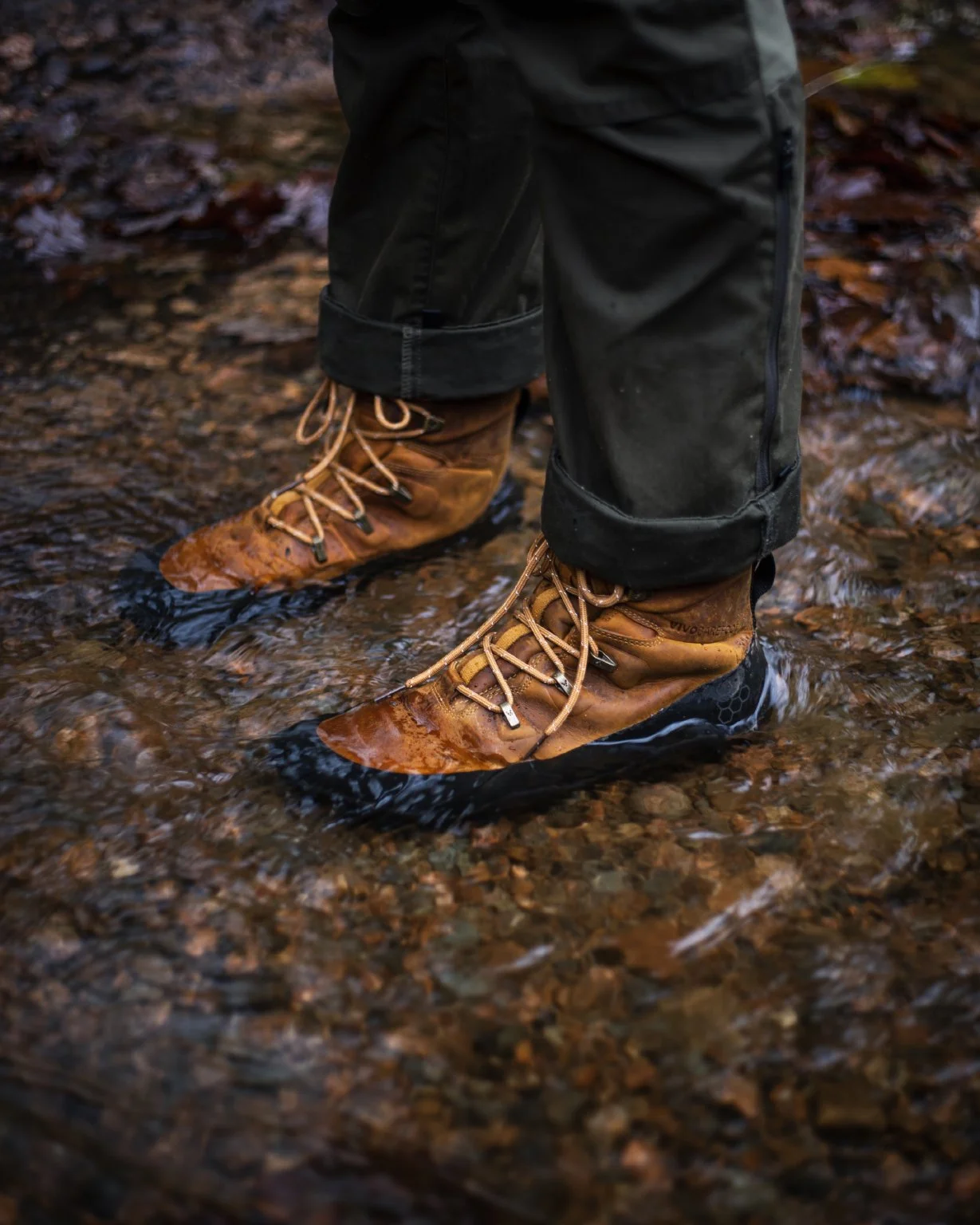
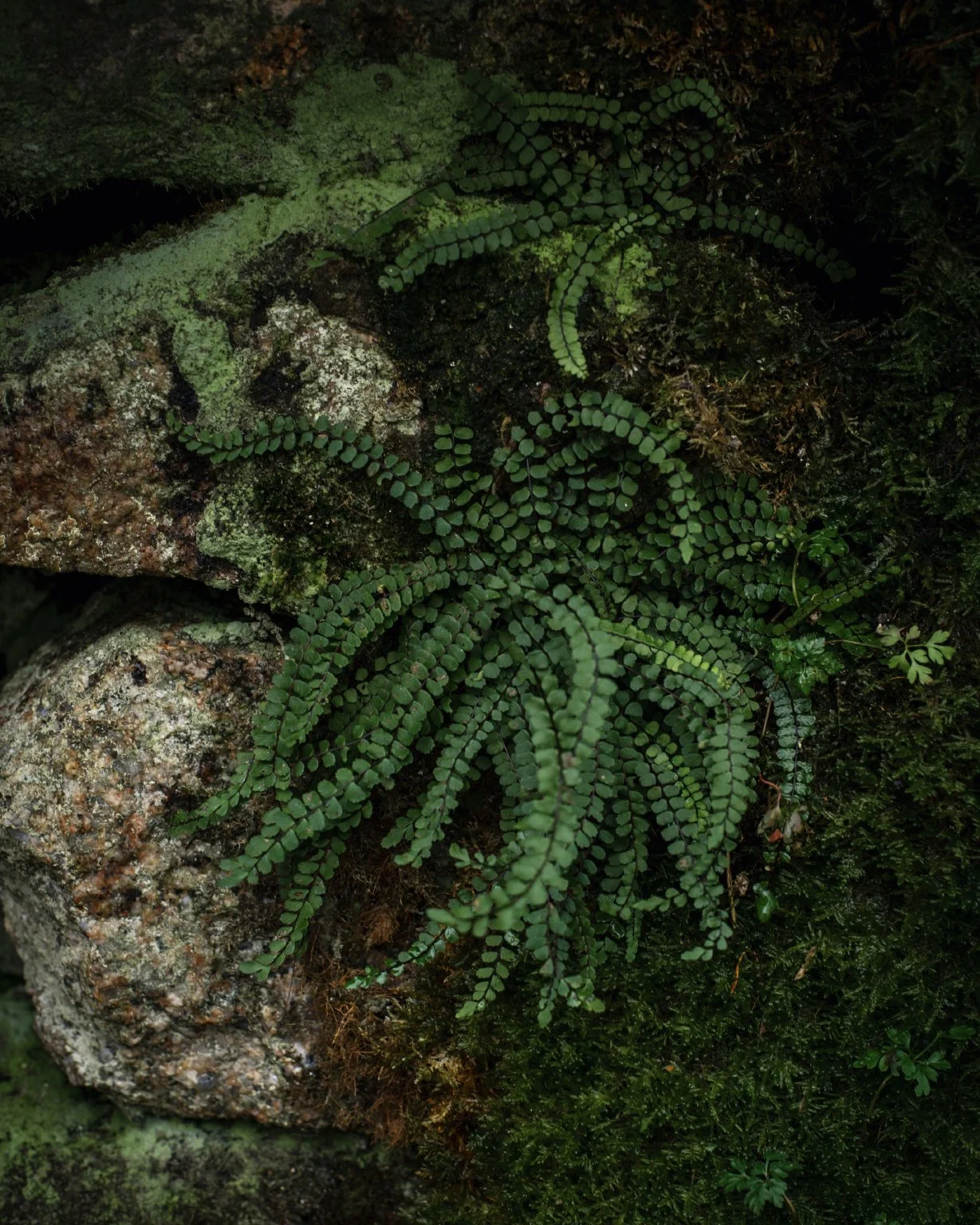
This is the joy that comes from learning to find delight in the details. I say learning here, because it is a skill that has to be acquired. It is not a hard skill to learn, the art of noticing, but one we must fiercely hold onto as we grapple with living in a society that seeks to rob us of our attention. It is an act of defiance, of quiet rebellion to slow down and reclaim what it rightly yours - your ability to be present, to find joy in the world around you. This is where the magic of the world lives, not on your glowing screen, but in the swelling bud and fungal thread, the creeping root and soaring hawk.
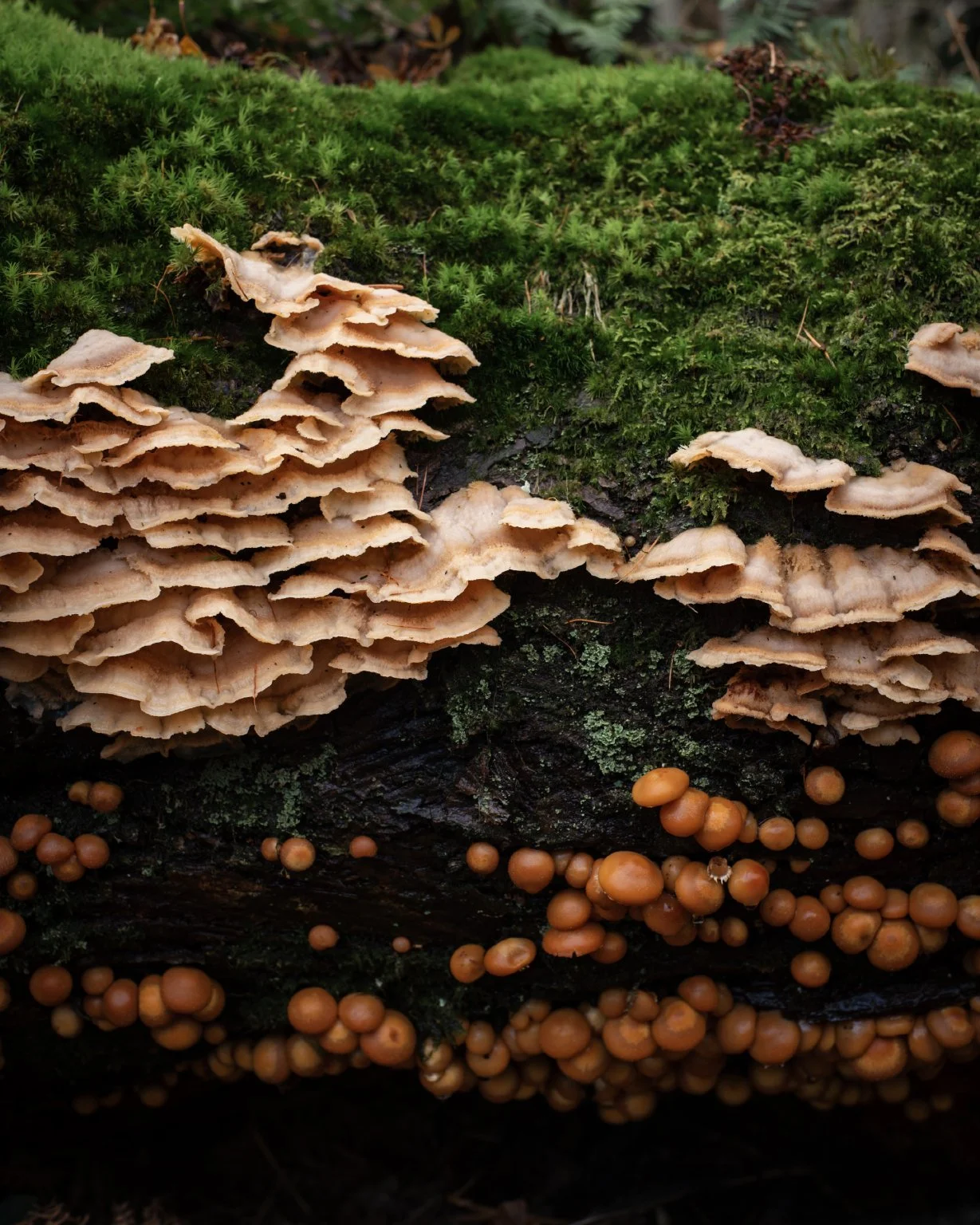
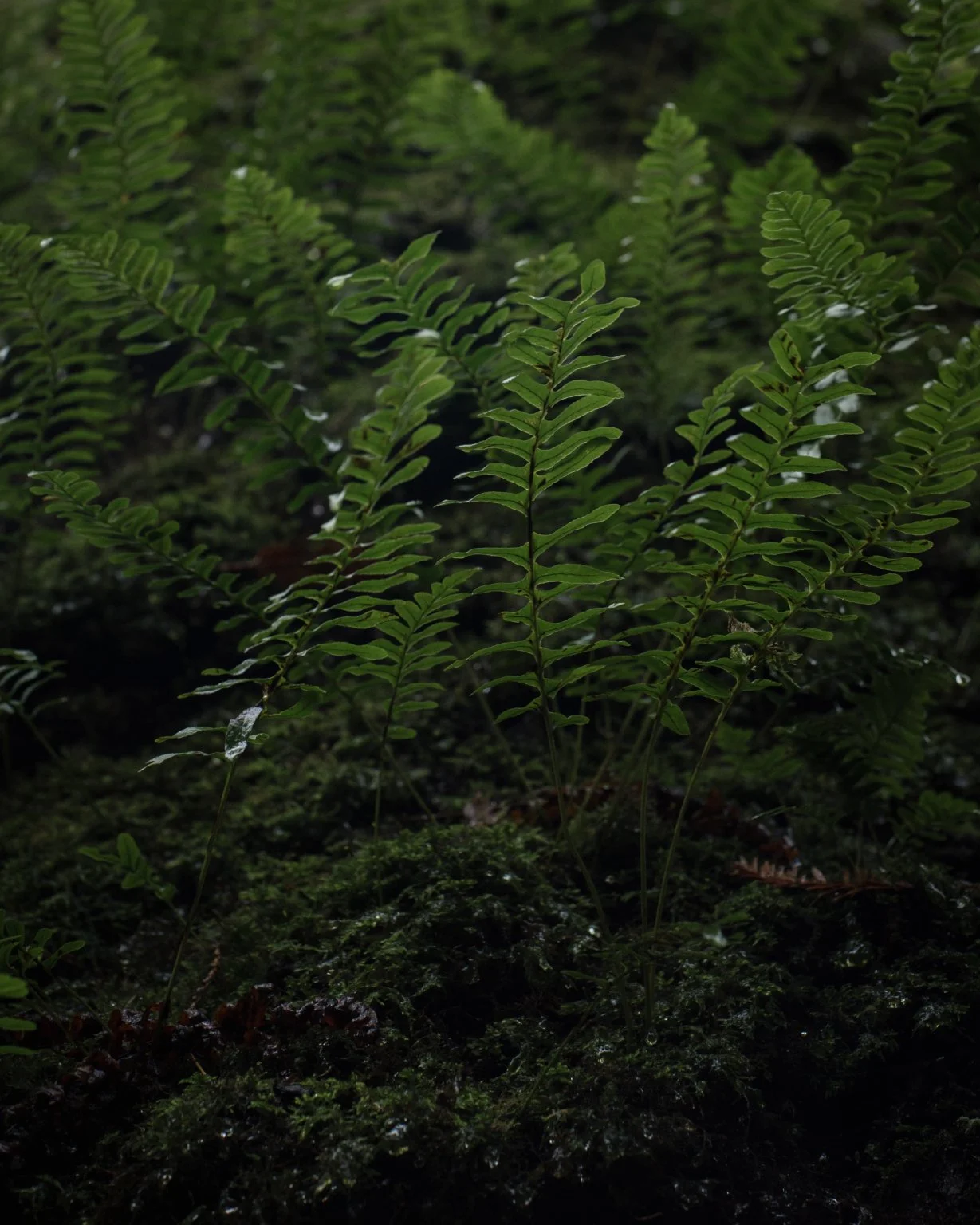
I don’t quite remember when I first acquired this skill for myself. Or at least I can’t pinpoint an exact moment in time when things clicked into place. More a gradual accumulation of experiences, tiny insights, moments of discovery and glimpses into new ways of seeing and eventually being. As a creative individual I was luckily already accustomed to seeing the world in shape and pattern with an eye for oddity and the aesthetically pleasing - which is where the ability to find delight in the details stems from.
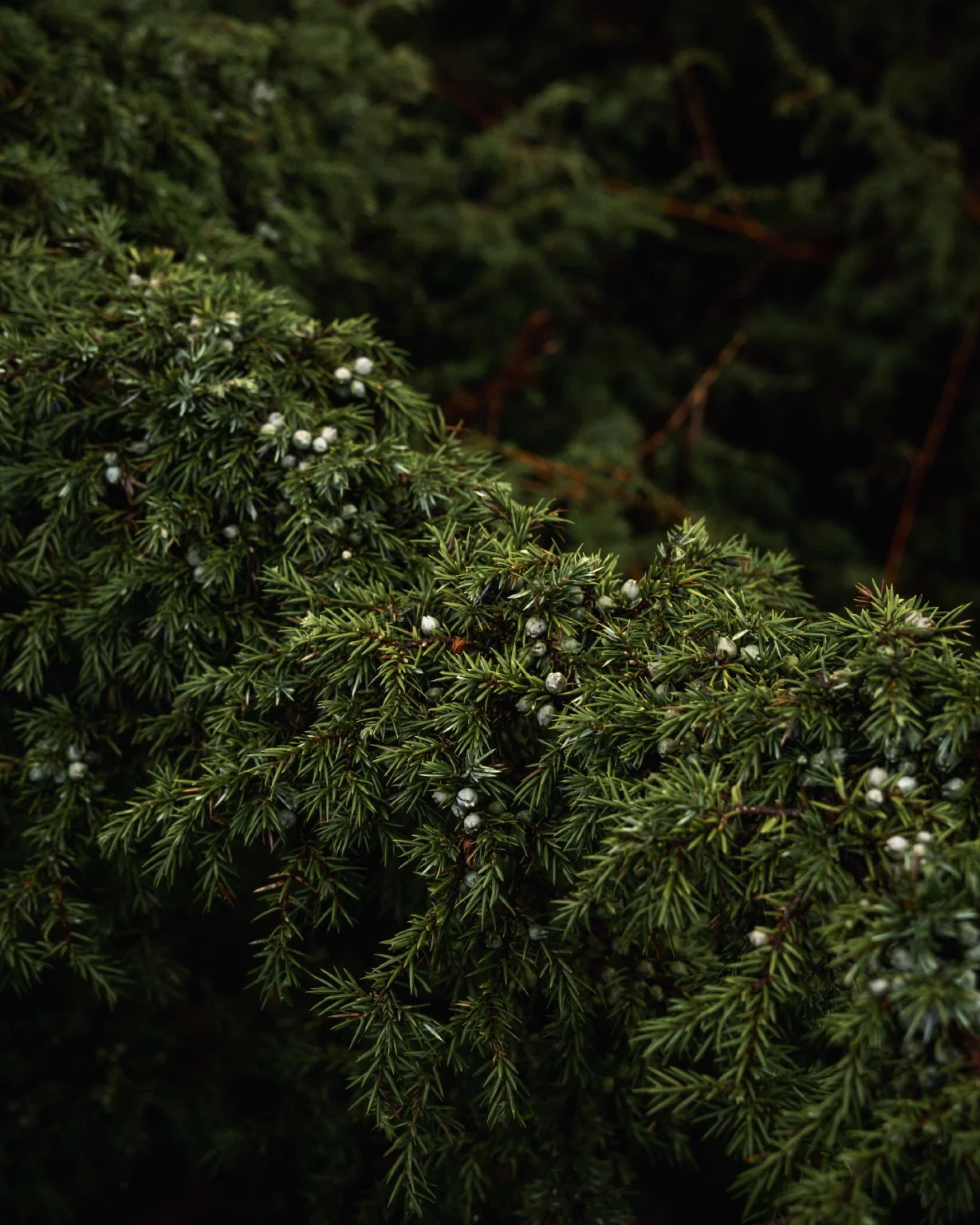
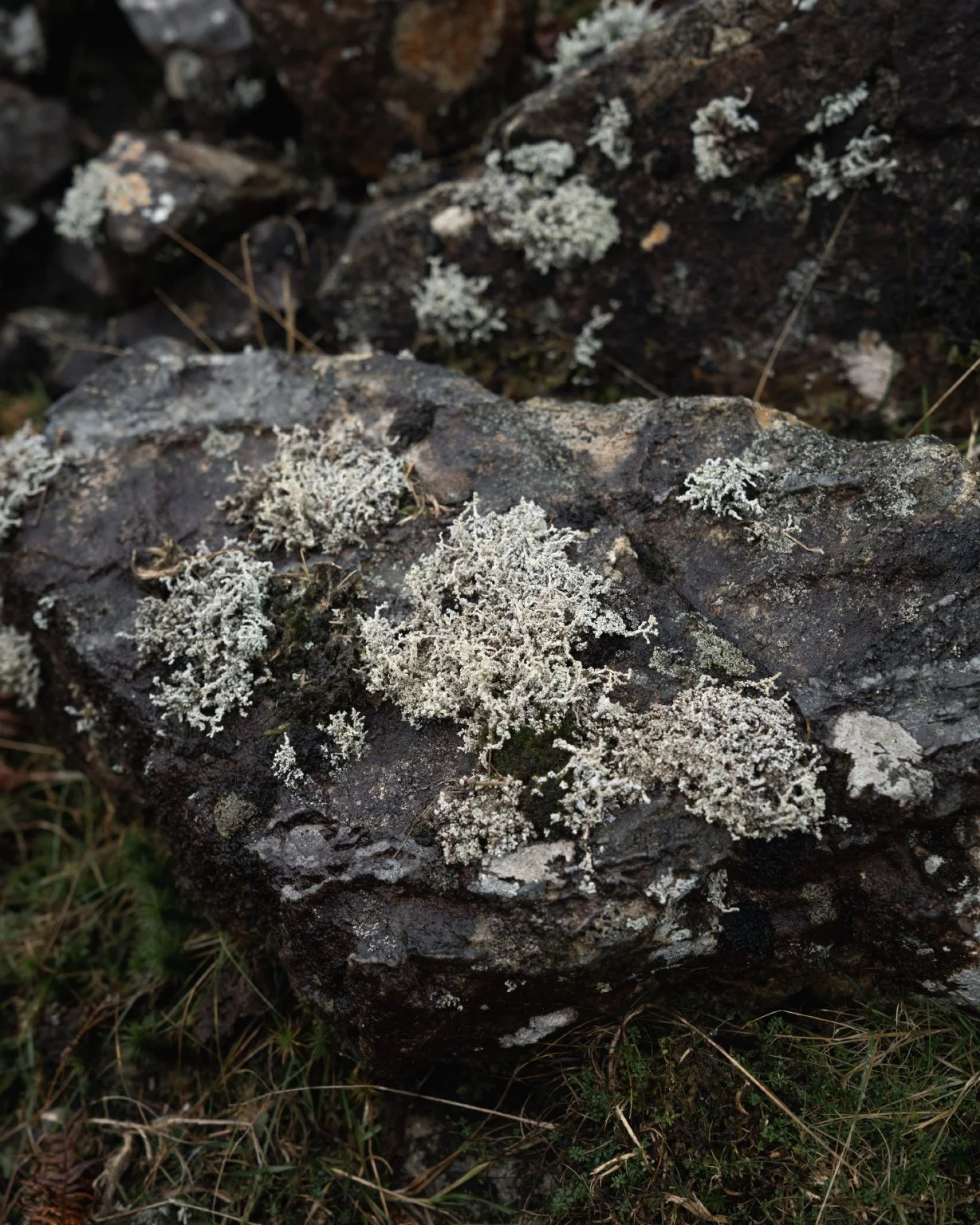
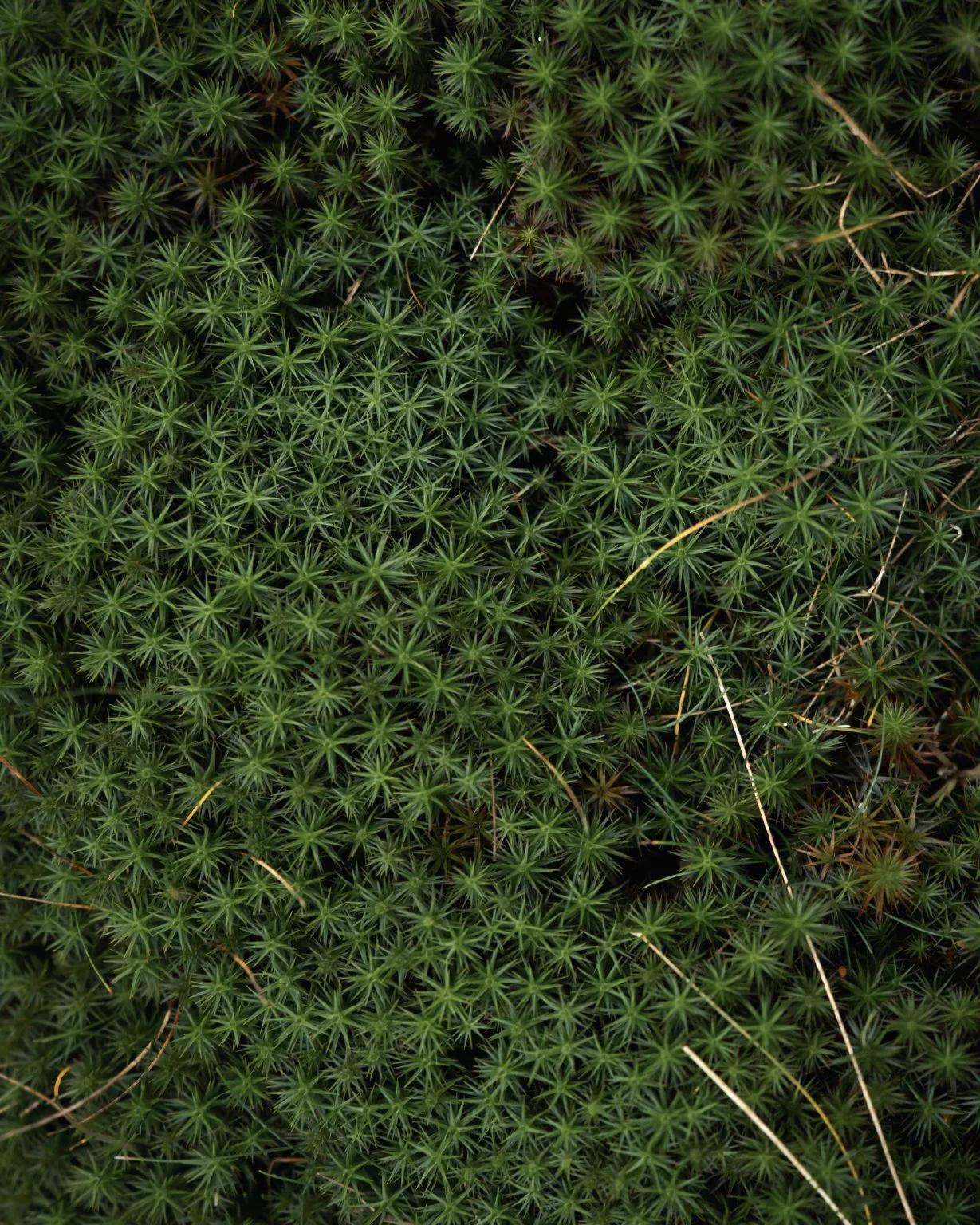
Early forays into botany taught me the benefits of looking closely; counting stamens and noting the colour of pollen dusted anthers to determine species introduced me to micro worlds normally hidden from view. Have you ever seen the two tiny silver anthers of the white dead nettle that look like fairy’s slippers? Or noticed that all species of speedwell have two stamens? Or watched nettles sending forth puffs of pollen on a hot summer’s day? Getting to know plants is a wonderful way of developing an eye for details. This is not the quest of simply putting a name to something - using your smartphone to tell you the name of species will not yield the same results. You will need to get up close, crawl on your knees on damp earth - the joy here is in the process, slowly acquiring the kind of knowledge that allows you to spot connections, adding richness to the once commonplace.
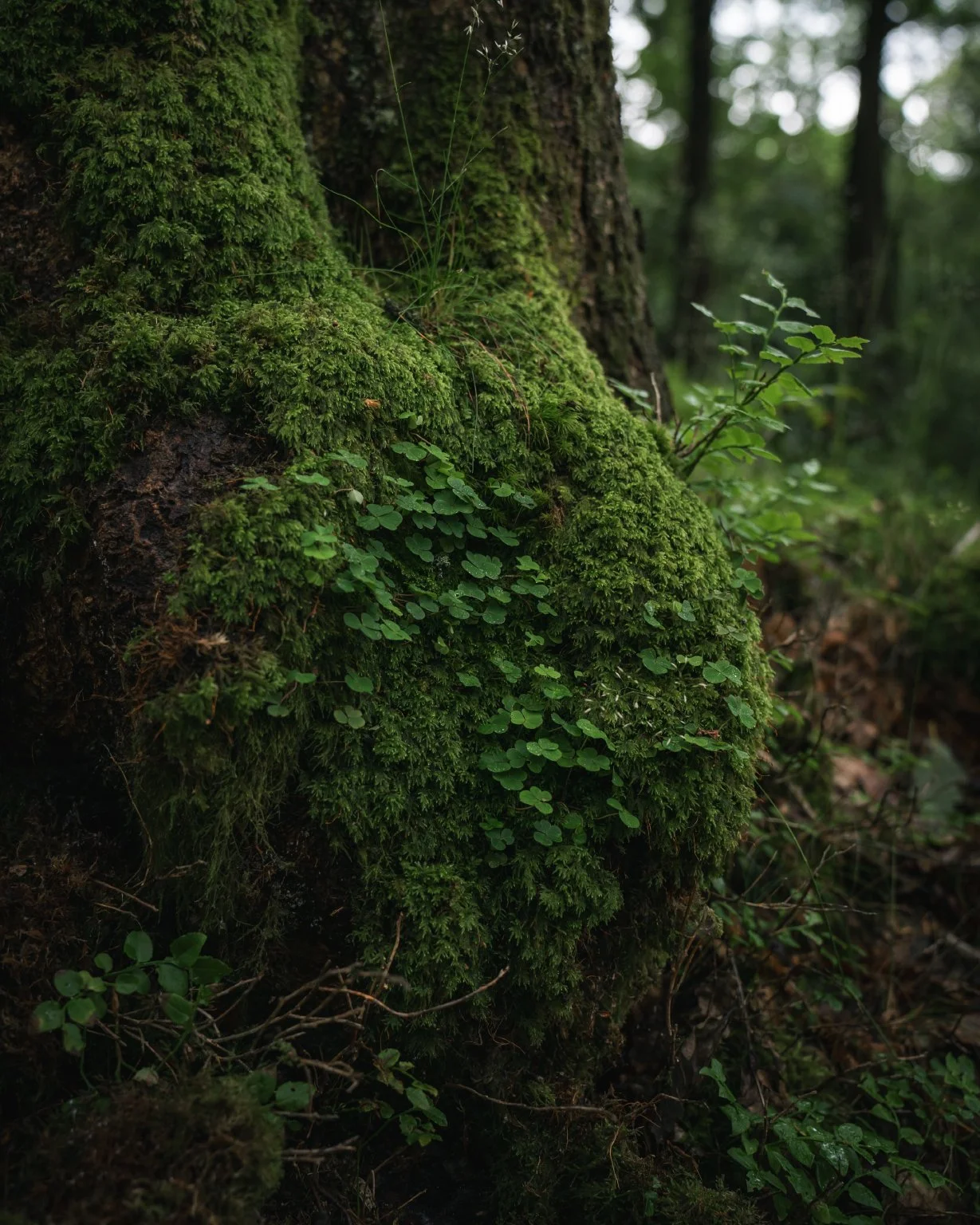
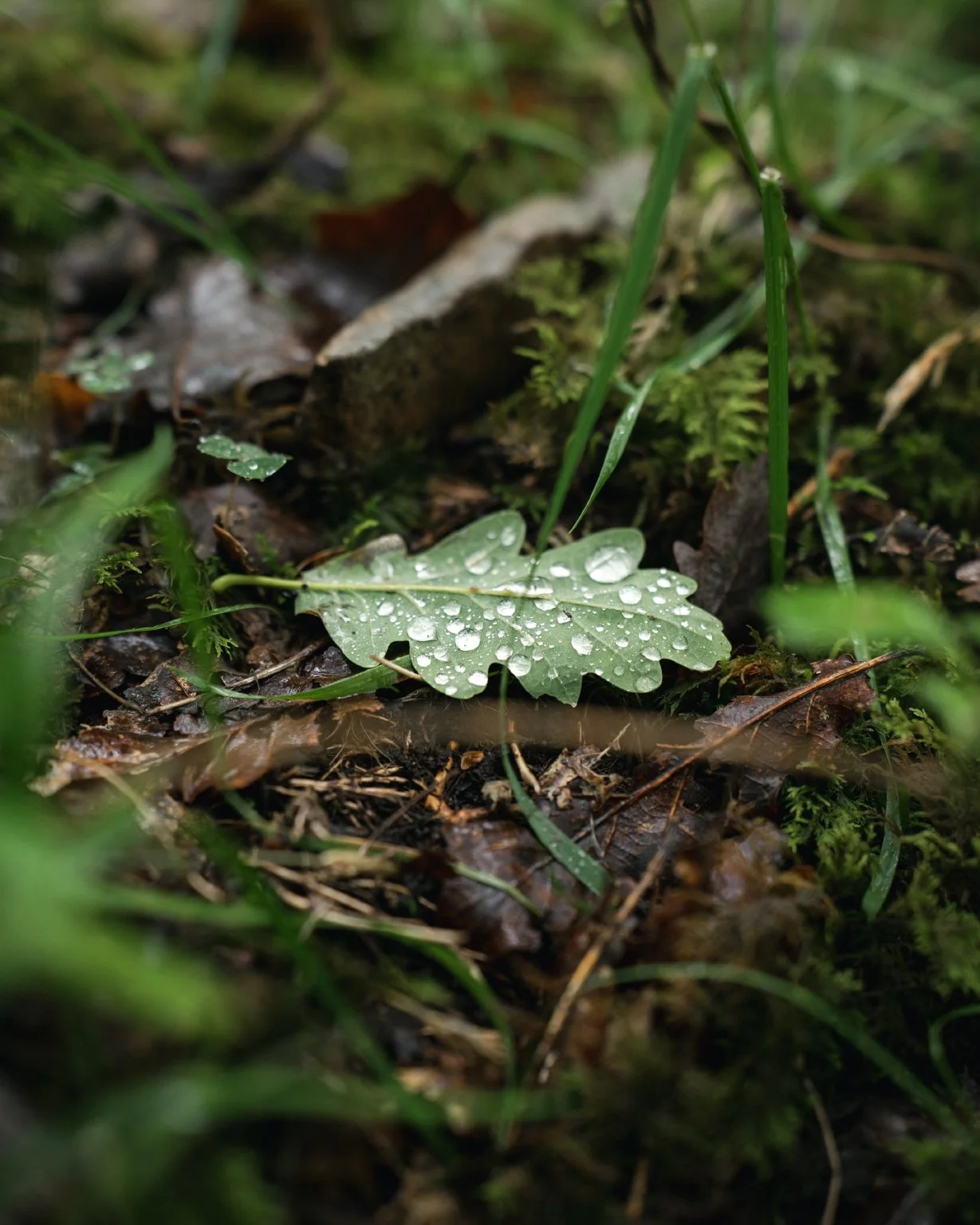
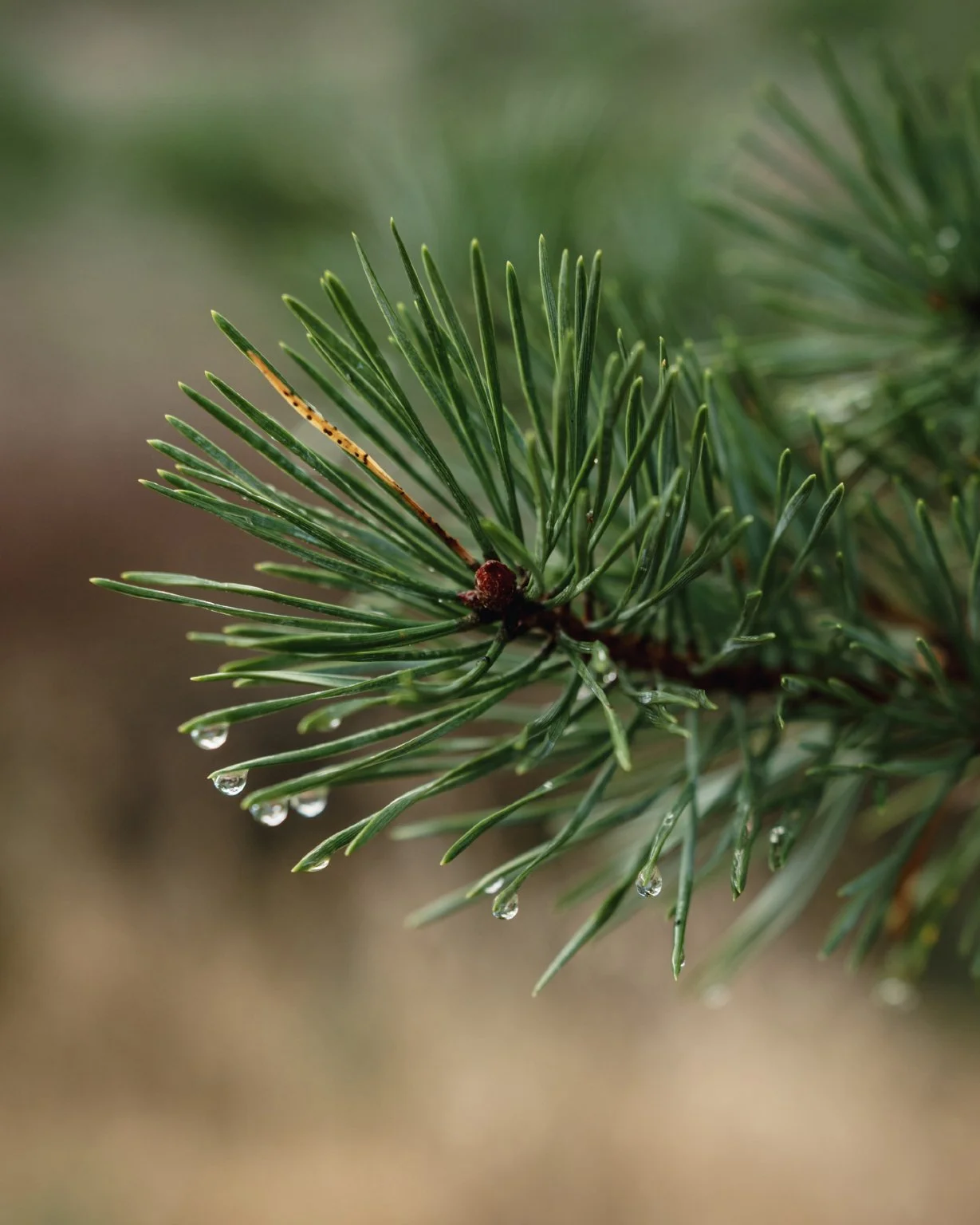
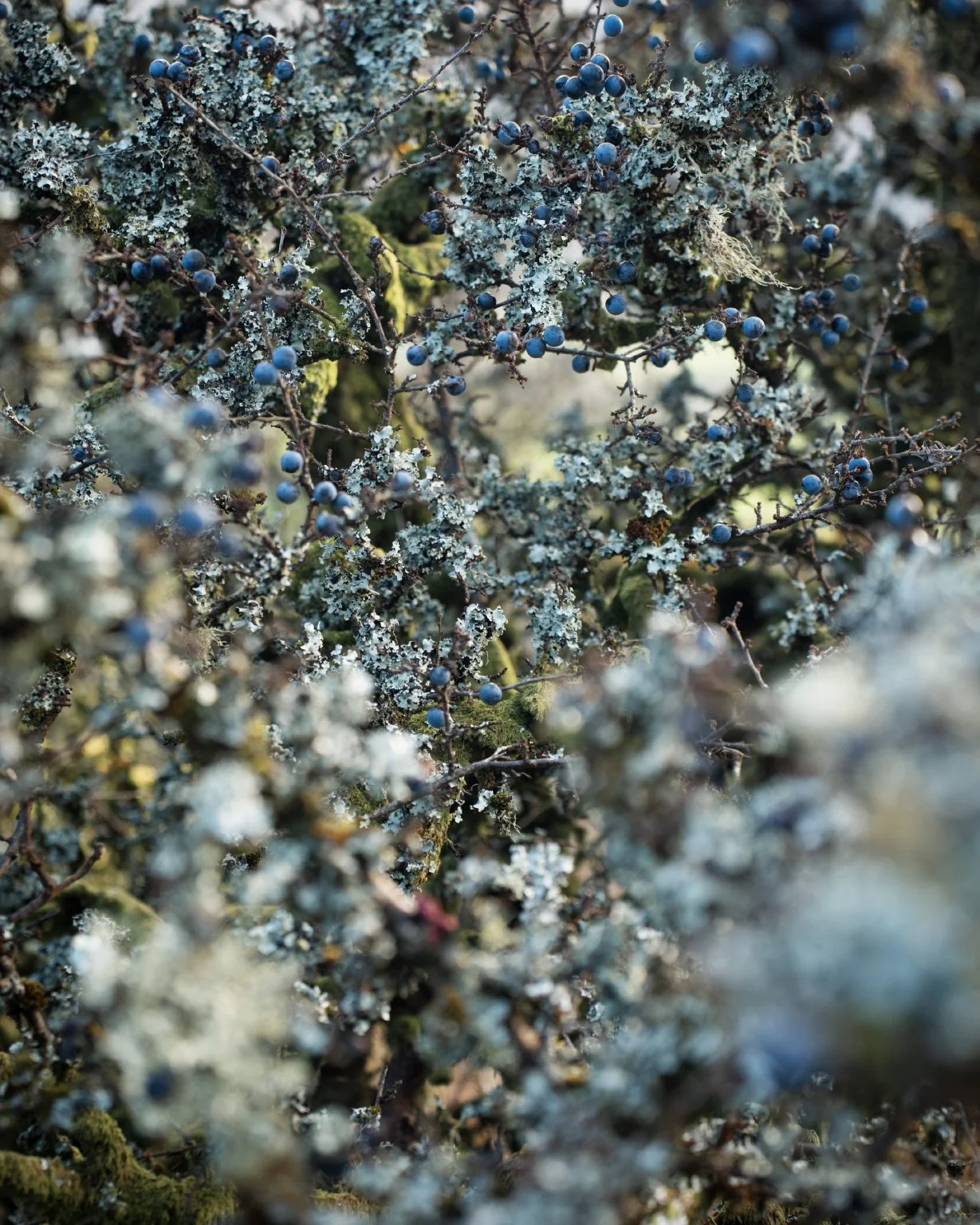
But you do not need to become a botanist (or any kind of ist) to find delight in the details. Knowledge is not a prerequisite to connection although a little understanding can help with knowing where to look for it. In my own case, the pursuit of knowledge (of the academic kind) sent me too far off the scent. Curiosity is more valuable. A willingness to slow down and a promise to never dismiss anything in Nature as ordinary will also get you far. You need not count stamens nor memorise scientific binomials, but begin with noticing simple things: texture, shape, pattern, light and shade. Look closely. Ask questions of your surroundings: how did that hazelnut get there? Why do leaves linger on some oak trees but not others? Use all your senses: hear the aspen leaves fluttering on the slightest breeze; run your fingers along furrows in the rock; feel the warm spring sun and the bite of the winter wind on your cheeks; breath in the the richness of the earth. Follow your nose.
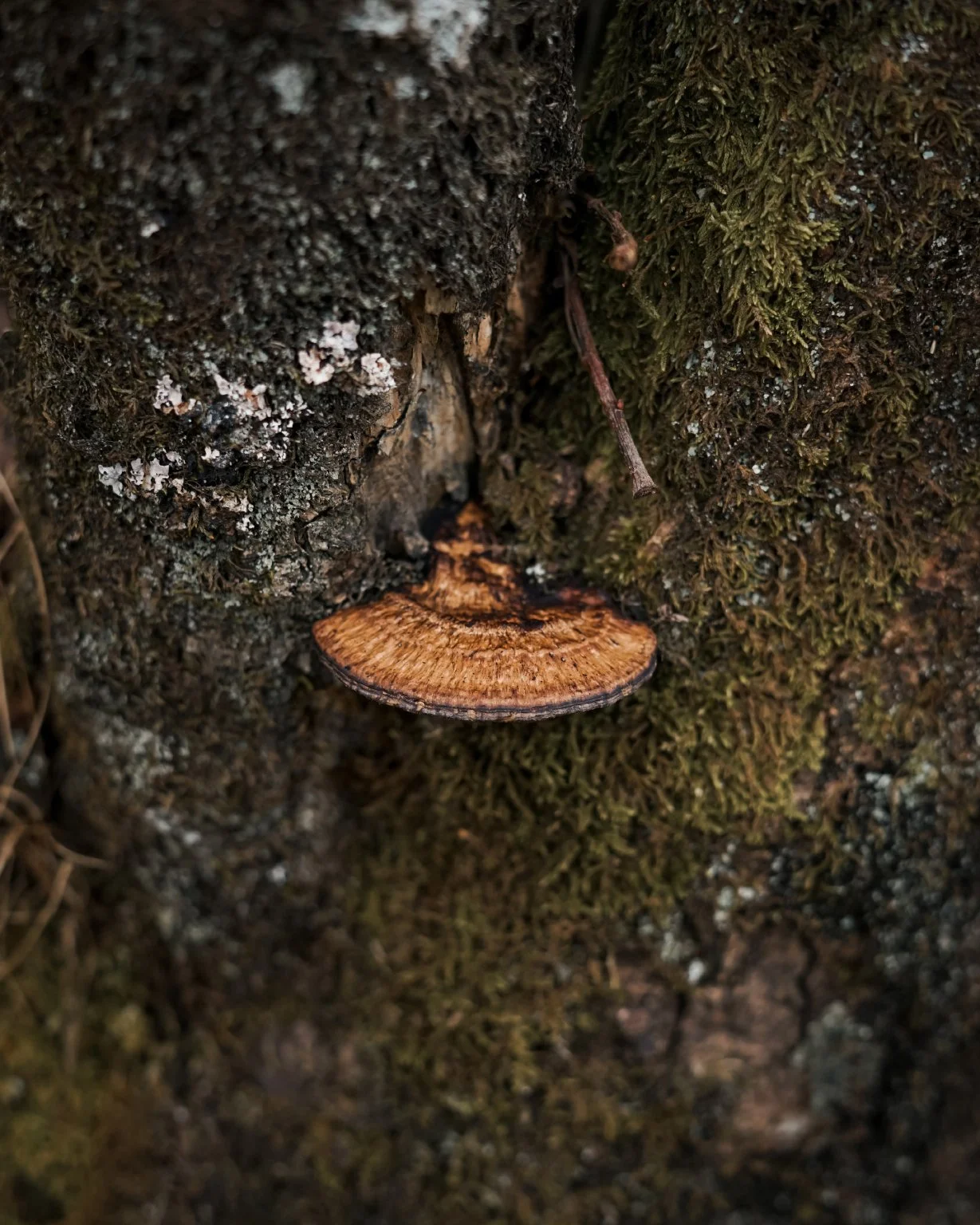
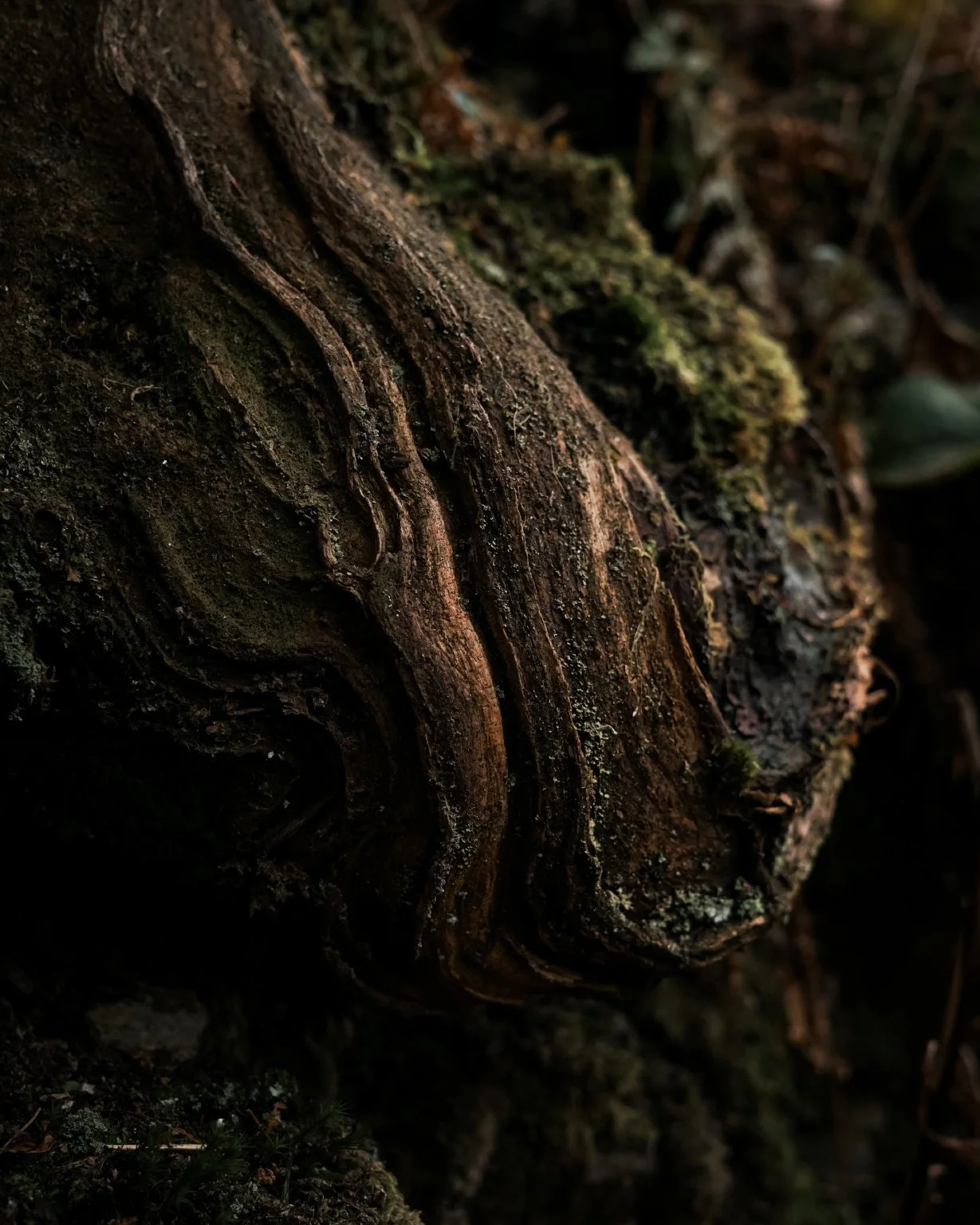
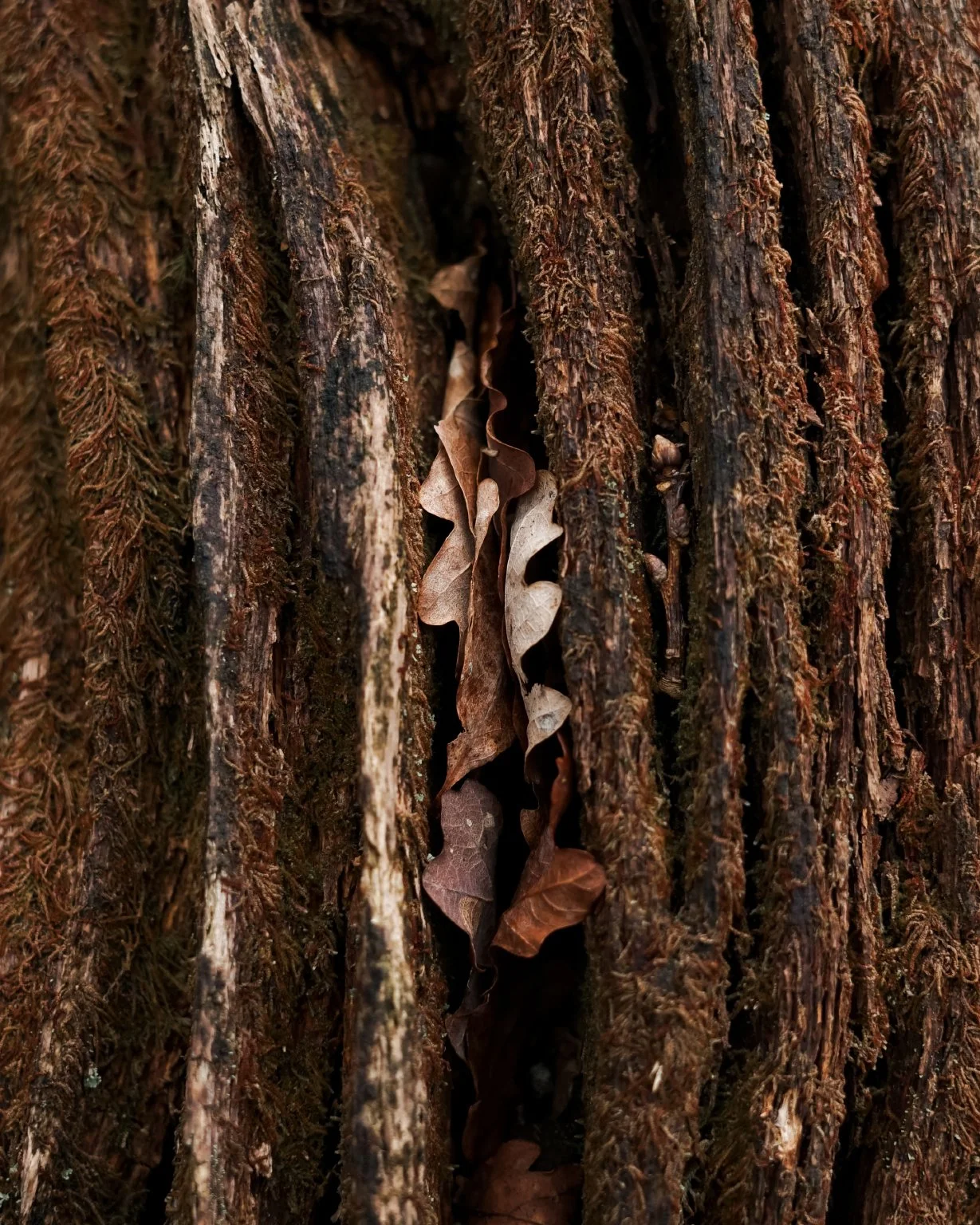
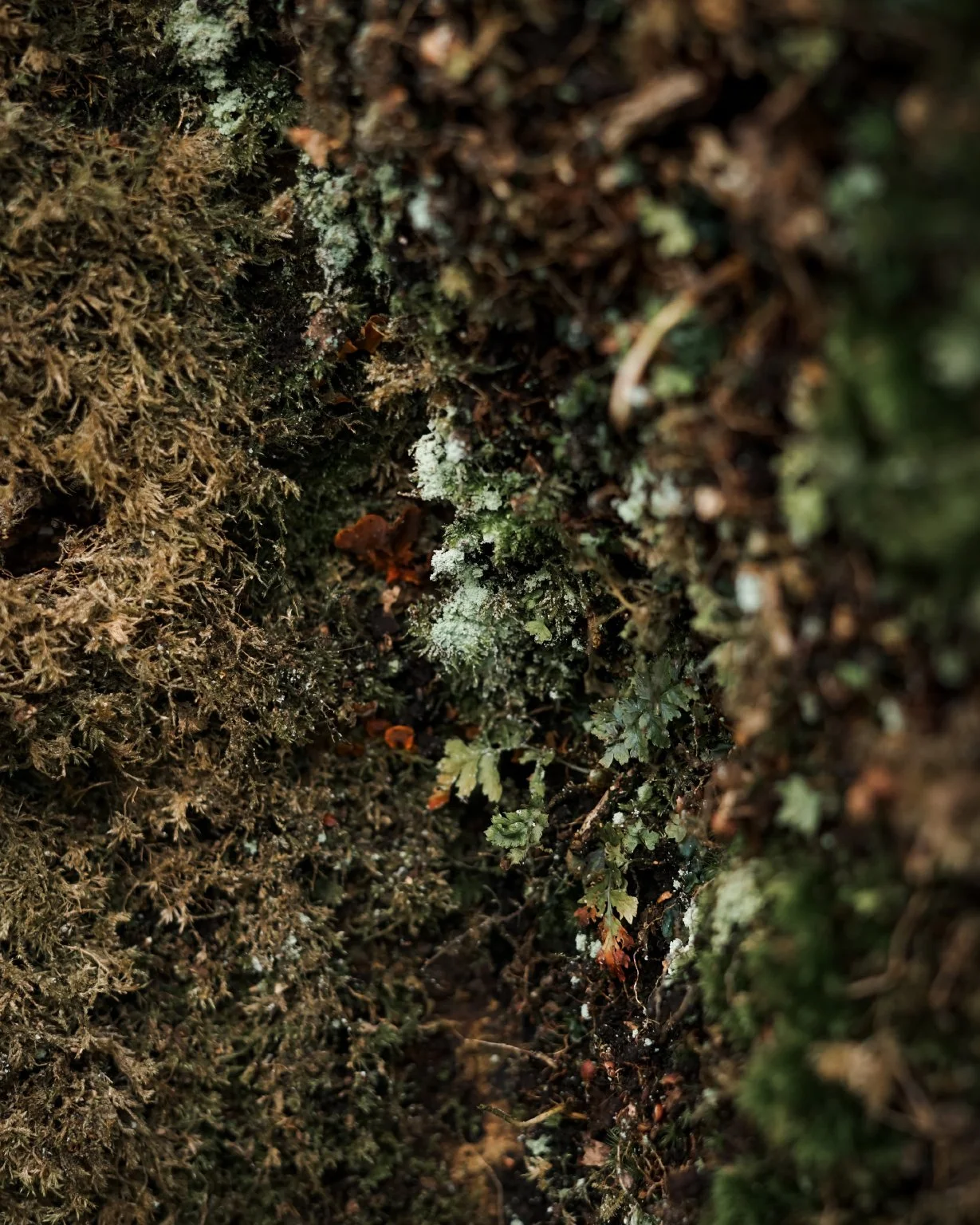
Regardless of how you get there, once you arrive, life will never be the same again. These little moments of discovery are snippets of wildness. A wildness that has been numbed by obligation, life-admin and screens. This is a chance to reclaim your sense of connection to your wilder self. Awaken the senses. They are also moments of clarity in a world of confusion. With each encounter time stands still and all unwelcome noise evaporates; it is just you and the universe.
You may find it necessary to restructure your life to prioritise these moments; with so much joy, wonder, depth of feeling and clarity of mind on tap other things start to seem less important. The trappings of modern life soon cease to have value. The trouble is you will no doubt need to keep your hand in with these things a little. I wish you best of luck in finding how to balance these conflicting interests. I’m still trying to figure it out but I’m glad I’m on that journey.
To my mind, there has never been a better time to reprioritise the things we find important in life. The things we value as a society and the way we measure success. I think a lot of us are seeking something. Missing something perhaps. The simple (yet not necessarily easy) act of slowing down, pausing to appreciate the wonders of life on earth is a path back to something meaningful, a way of turning aside from the distractions that promise so much yet deliver so little - I urge you to take it.